![[TOMY Company, Ltd. Official ] TOMY MALL [Official] Online Store for Toys and Action figures](/img/usr/header/tt_logo_tomy1_3.png)

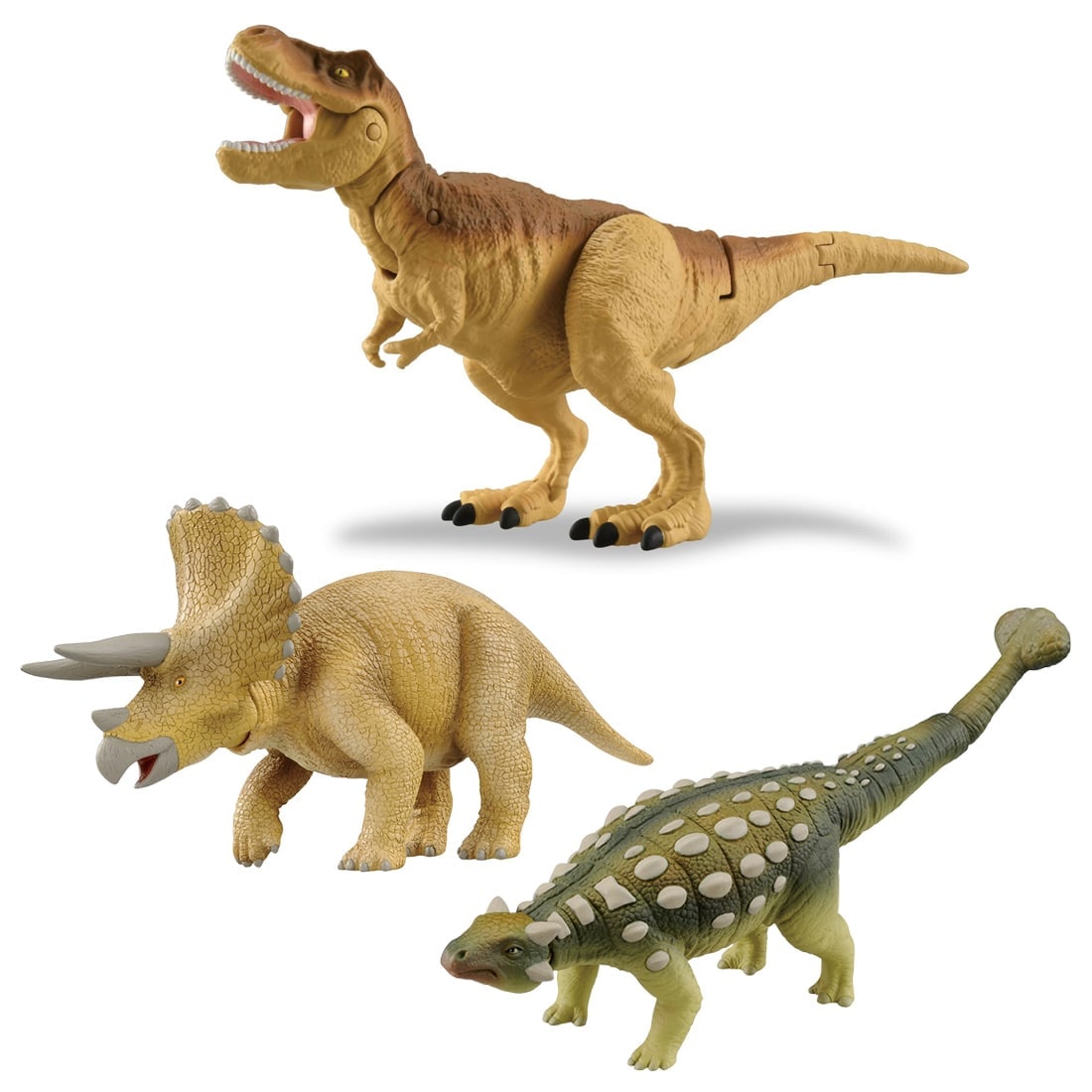
Tyrannosaurus
A worthy rival has appeared!?
A worthy rival has appeared!?
This time, we'll present a story-like presentation, imagining the dinosaurs that lived in the same era and place.
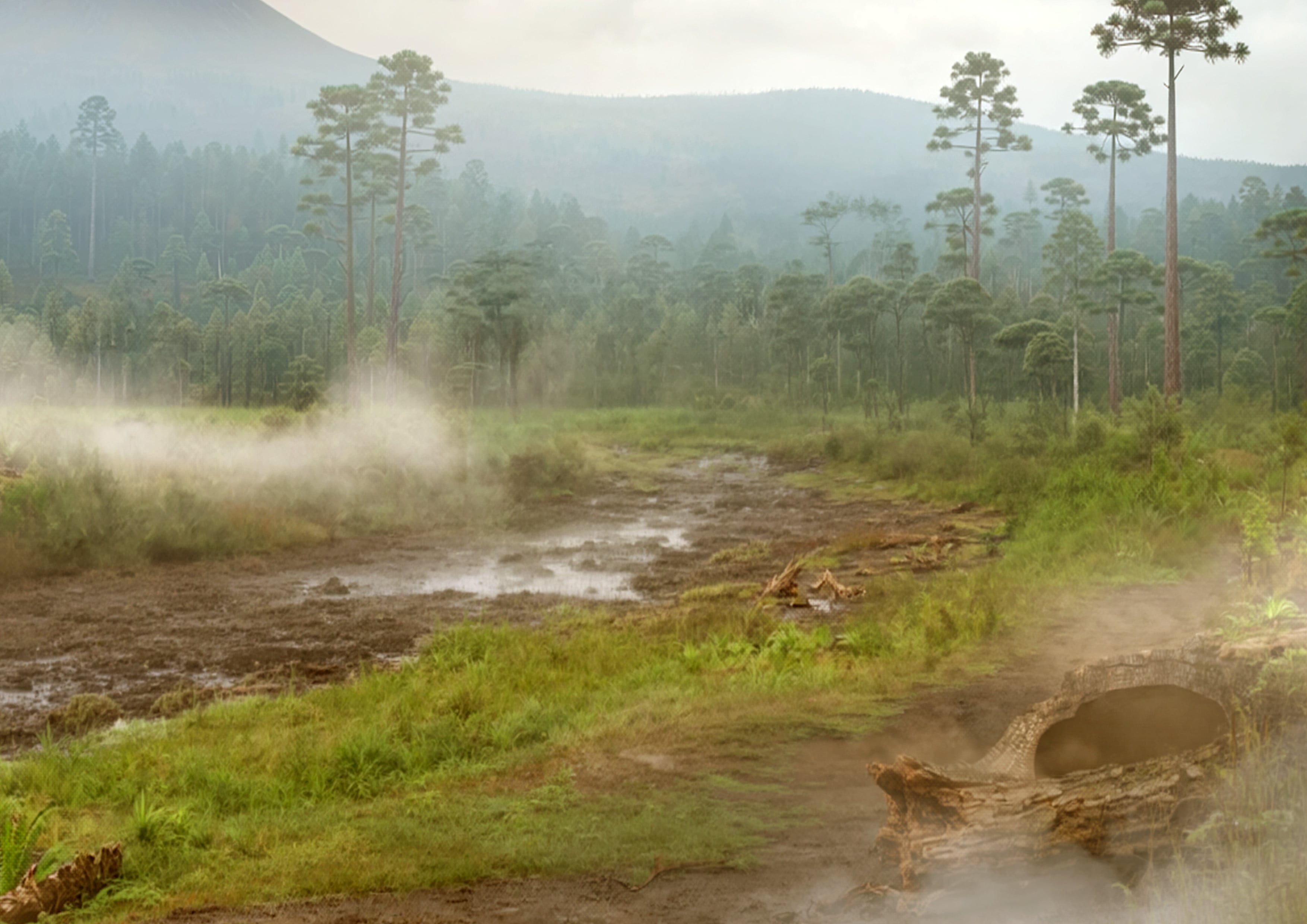
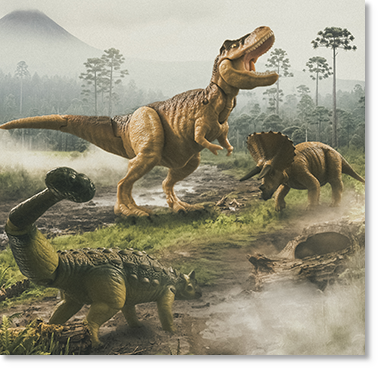
North America during the Late Cretaceous period.
A single Tyrannosaurus Rex gazes into the distance beyond the forest.
Tyrannosaurus Rex, characterized by its large jaw and enormous teeth, is also believed to have had excellent eyesight.
Both eyes, positioned forward, excel at stereoscopic vision.
It seems he was able to accurately judge the distance to his prey and deliver a powerful blow.
The Tyrannosaurus's eyes caught sight of a shadow moving in the distance.
"What is that?"
The low-slung shadow is actually an Ankylosaurus.
This dinosaur truly lives up to its name as an "armored dinosaur," with its entire body covered in hard armor.
Its tail, with a large bony mass attached, resembles a giant hammer.
If the swinging hammer hits its target, serious injury is unavoidable.
The Tyrannosaurus Rex cautiously closes the distance.
At that time,
Thud! Thud!
Another dinosaur emerged from the shade of a tree, shaking the ground.
With three large horns on its face, this is the Triceratops, the largest and strongest of the "ceratopsians."
Not only are they equipped with powerful weapons to confront rivals and enemies,
Her neck is protected by a large frill.
The Tyrannosaurus Rex stops in its tracks, confronted by two formidable opponents.
An Ankylosaurus crouches down and swings its hammer.
A Triceratops brandishes its head, which serves both offensively and defensively.
What did the Tyrannosaurus Rex fight for?
What could an Ankylosaurus hammer crush?
What do the horns of a Triceratops protect?
Western North America, approximately 67 million years ago.
Tyrannosaurus, Ankylosaurus, Triceratops
It is known that they lived in the same environment.
Such standoffs may not have been uncommon.
North America during the Late Cretaceous period.
A single Tyrannosaurus Rex gazes into the distance beyond the forest.
Tyrannosaurus Rex, characterized by its large jaw and enormous teeth, is also believed to have had excellent eyesight.
Both eyes, positioned forward, excel at stereoscopic vision.
It seems he was able to accurately judge the distance to his prey and deliver a powerful blow.
The Tyrannosaurus's eyes caught sight of a shadow moving in the distance.
"What is that?"
The low-slung shadow is actually an Ankylosaurus.
This dinosaur truly lives up to its name as an "armored dinosaur," with its entire body covered in hard armor.
Its tail, with a large bony mass attached, resembles a giant hammer.
If the swinging hammer hits its target, serious injury is unavoidable.
The Tyrannosaurus Rex cautiously closes the distance.
At that time,
Thud! Thud!
Another dinosaur emerged from the shade of a tree, shaking the ground.
With three large horns on its face, this is the Triceratops, the largest and strongest of the "ceratopsians."
Not only are they equipped with powerful weapons to confront rivals and enemies,
Her neck is protected by a large frill.
The Tyrannosaurus Rex stops in its tracks, confronted by two formidable opponents.
An Ankylosaurus crouches down and swings its hammer.
A Triceratops brandishes its head, which serves both offensively and defensively.
What did the Tyrannosaurus Rex fight for?
What could an Ankylosaurus hammer crush?
What do the horns of a Triceratops protect?
Western North America, approximately 67 million years ago.
Tyrannosaurus, Ankylosaurus, Triceratops
It is known that they lived in the same environment.
Such standoffs may not have been uncommon.



A quiz on how to distinguish between your friends!
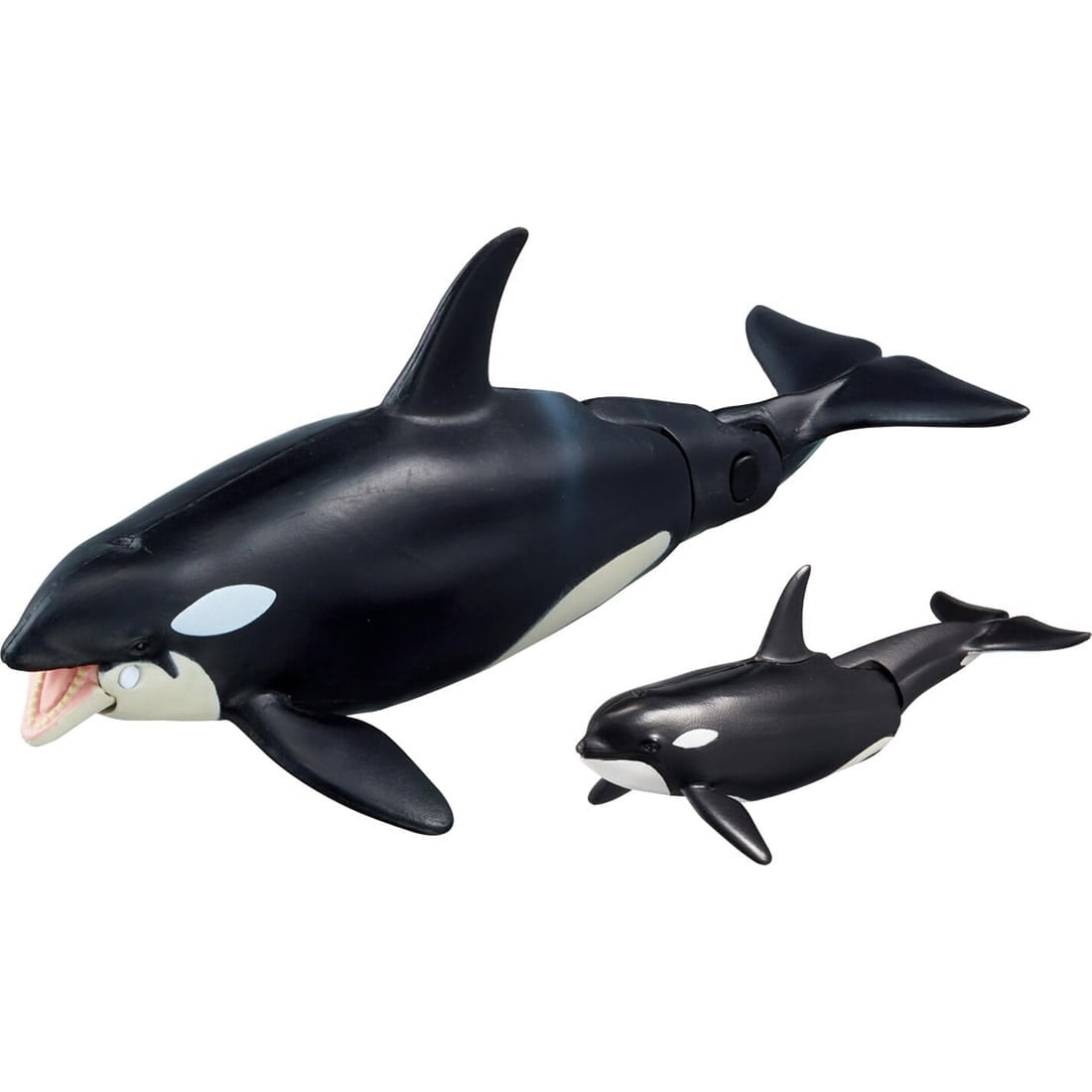
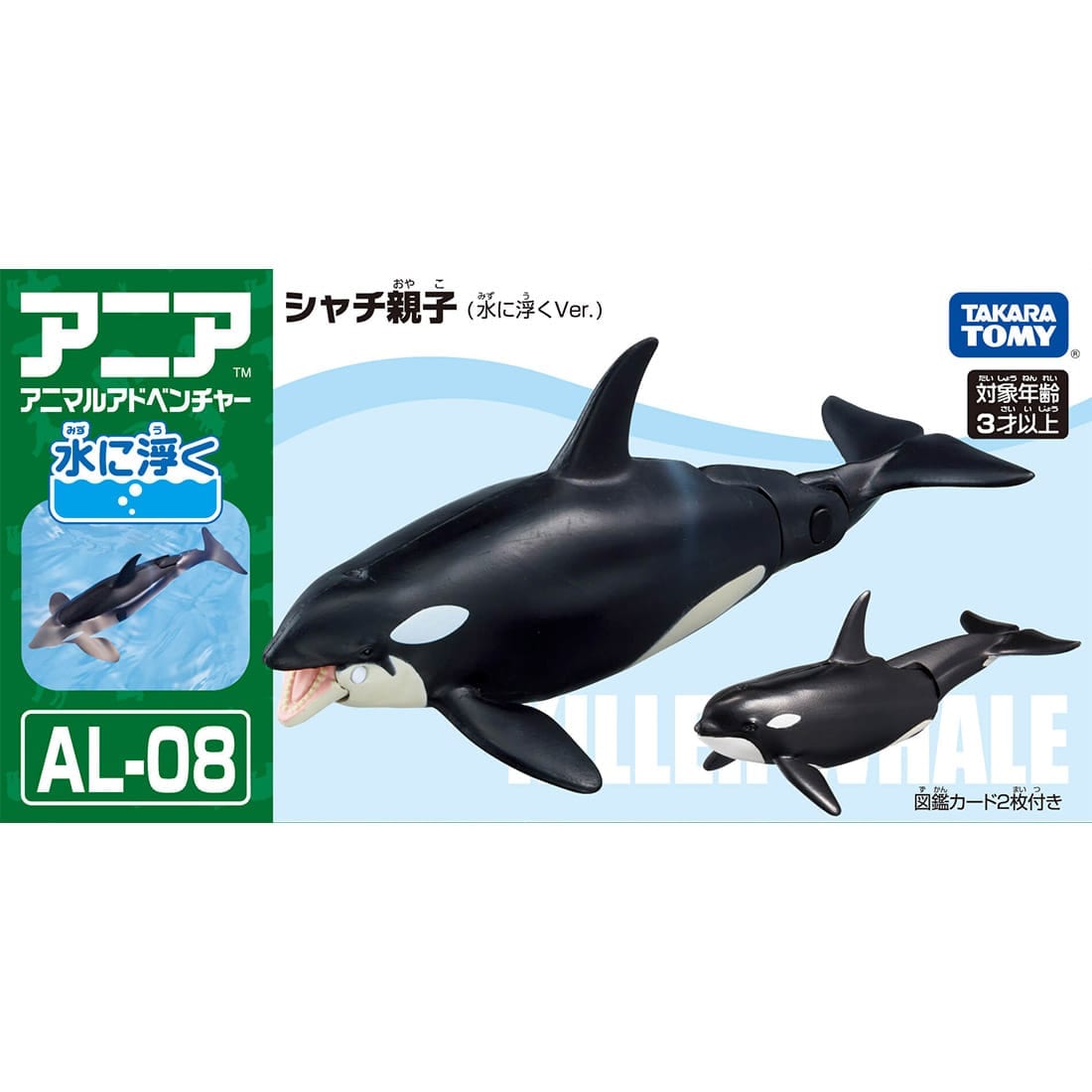
Here's a quick quiz on how to distinguish between sharks, dolphins, whales, and orcas.
Fish and mammals are completely different creatures, yet by adapting to the same environment,
Having similar shapes and abilities is called "convergent evolution."
So, how can you tell a fish from a mammal?
What should I do?
A simple way to tell them is by looking at the "direction of the tail fin."
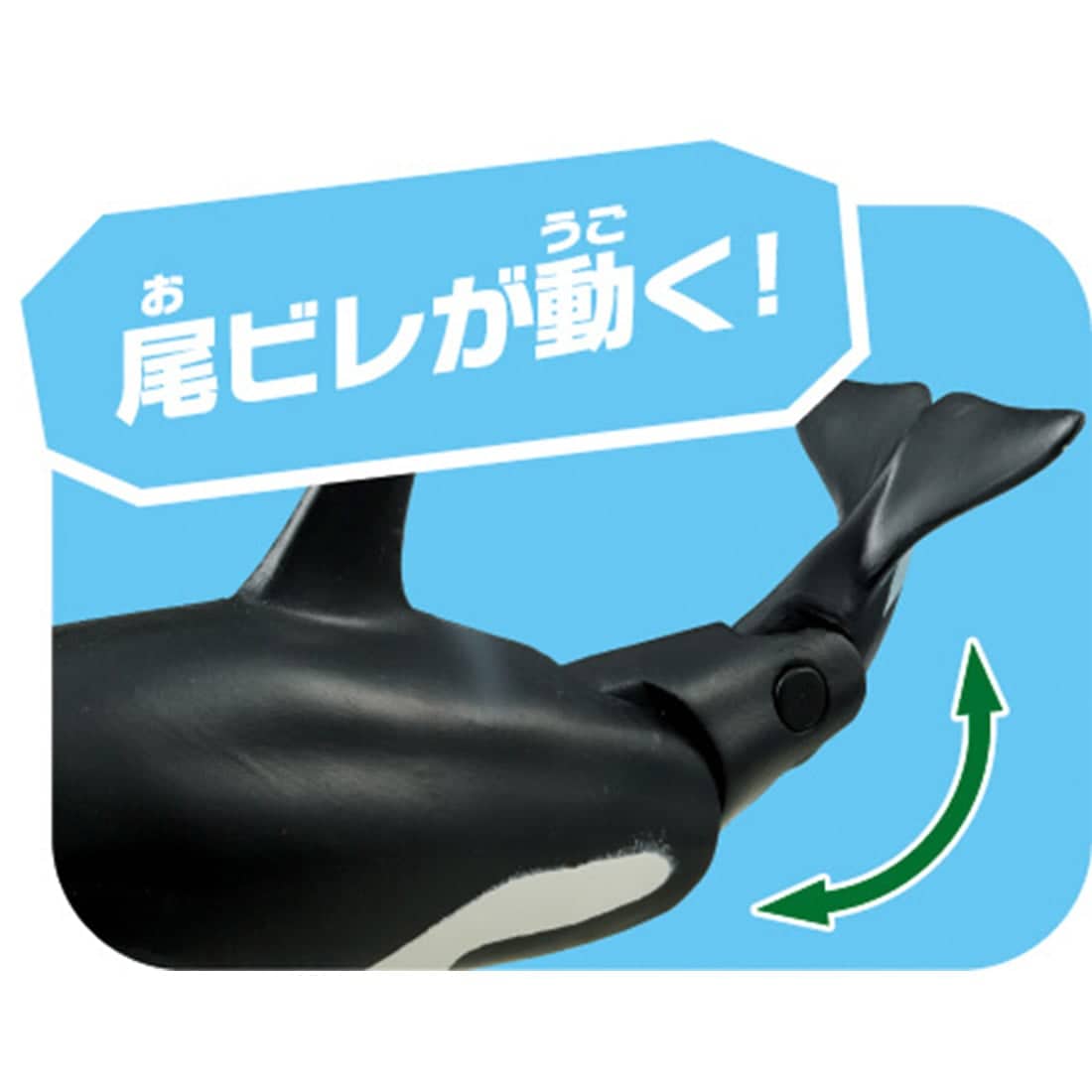
Mammals like whales have a tail fin that is "sideways."
Fish like sharks are "vertical."
Whales also move their bodies vertically, whereas fish move sideways.
ANIA But you can accurately reproduce that movement.
If you lose track of which, try remembering which direction your legs are moving when you swim on your toe.
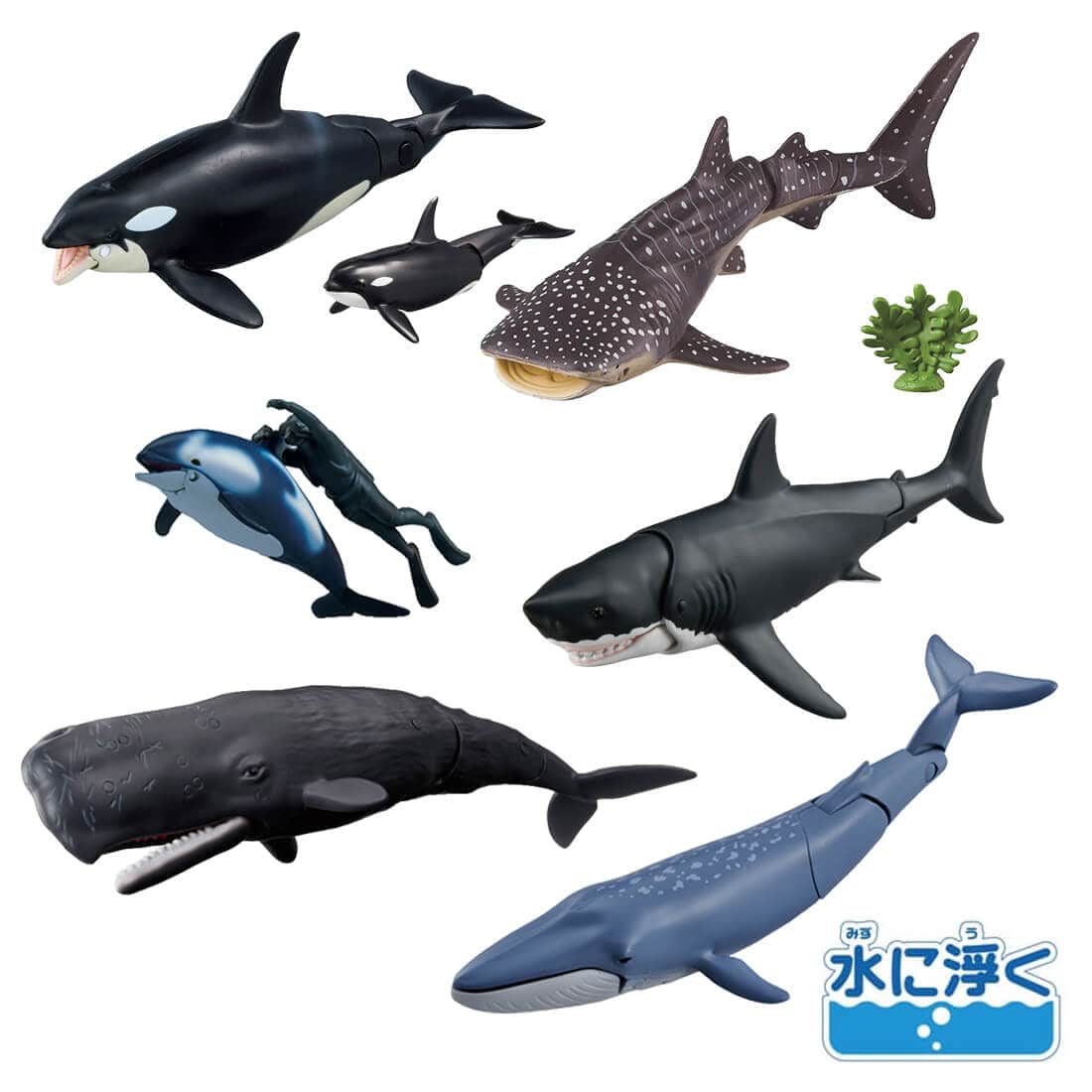
Question: "Classify the organisms in the left photograph as either mammals or fish."
answer:
Mammals are
Blue whale, sperm whale,
Orcas, Pacific white-sided dolphins.
Fish are,
These are whale sharks and great white sharks.
Fish and mammals are completely different creatures, yet by adapting to the same environment,
Having similar shapes and abilities is called "convergent evolution."
So, how can you tell a fish from a mammal?
What should I do?
A simple way to tell them is by looking at the "direction of the tail fin."
Mammals like whales have a tail fin that is "sideways."
Fish like sharks are "vertical."
Whales also move their bodies vertically, whereas fish move sideways.
ANIA But you can accurately reproduce that movement.
If you lose track of which, try remembering which direction your legs are moving when you swim on your toe.
ANIA Swarm Neighborhood ANIA Recreation Set
(How to distinguish mammals and fish Ver.)
6,270 yen (tax included)


Let's make insect samples with ANIA
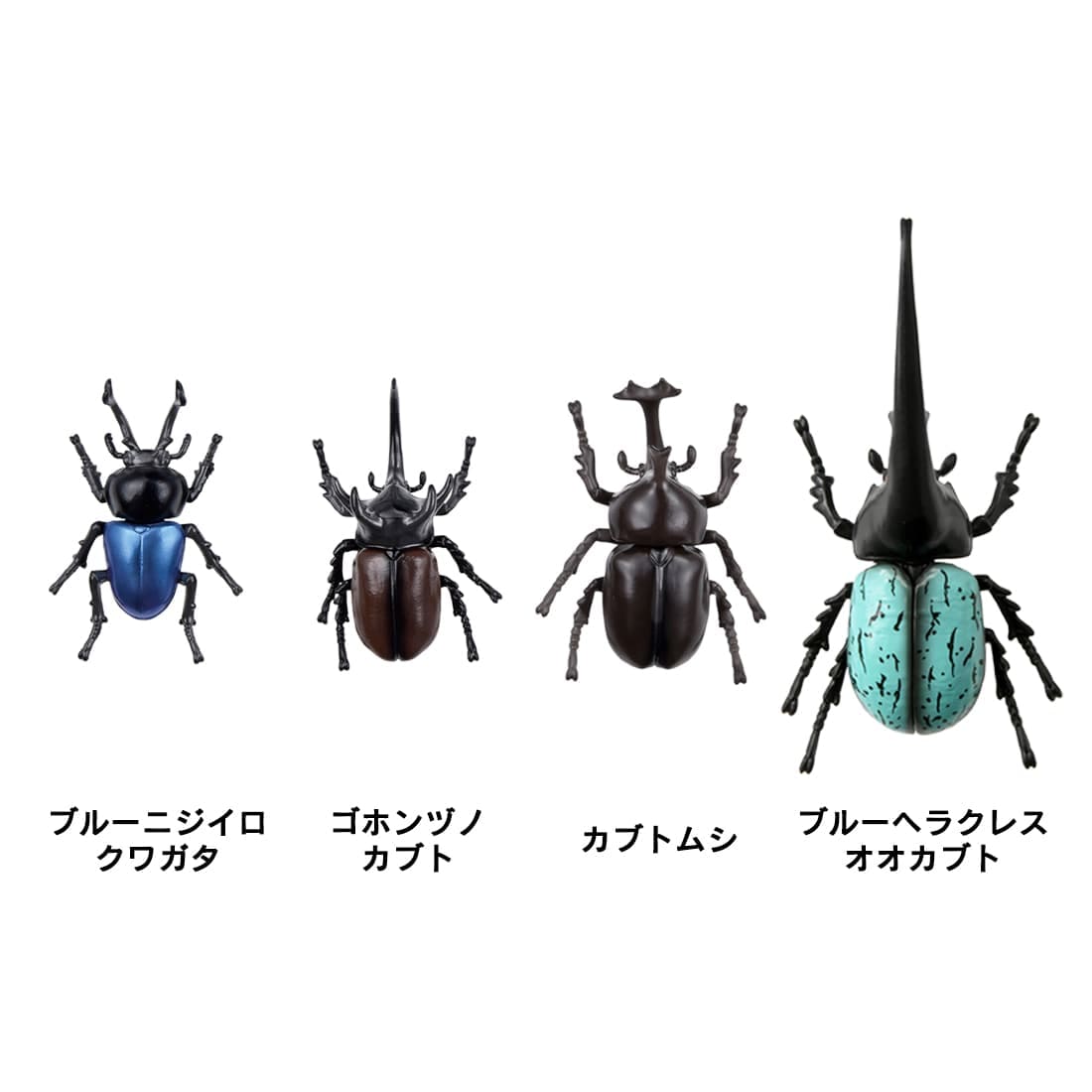
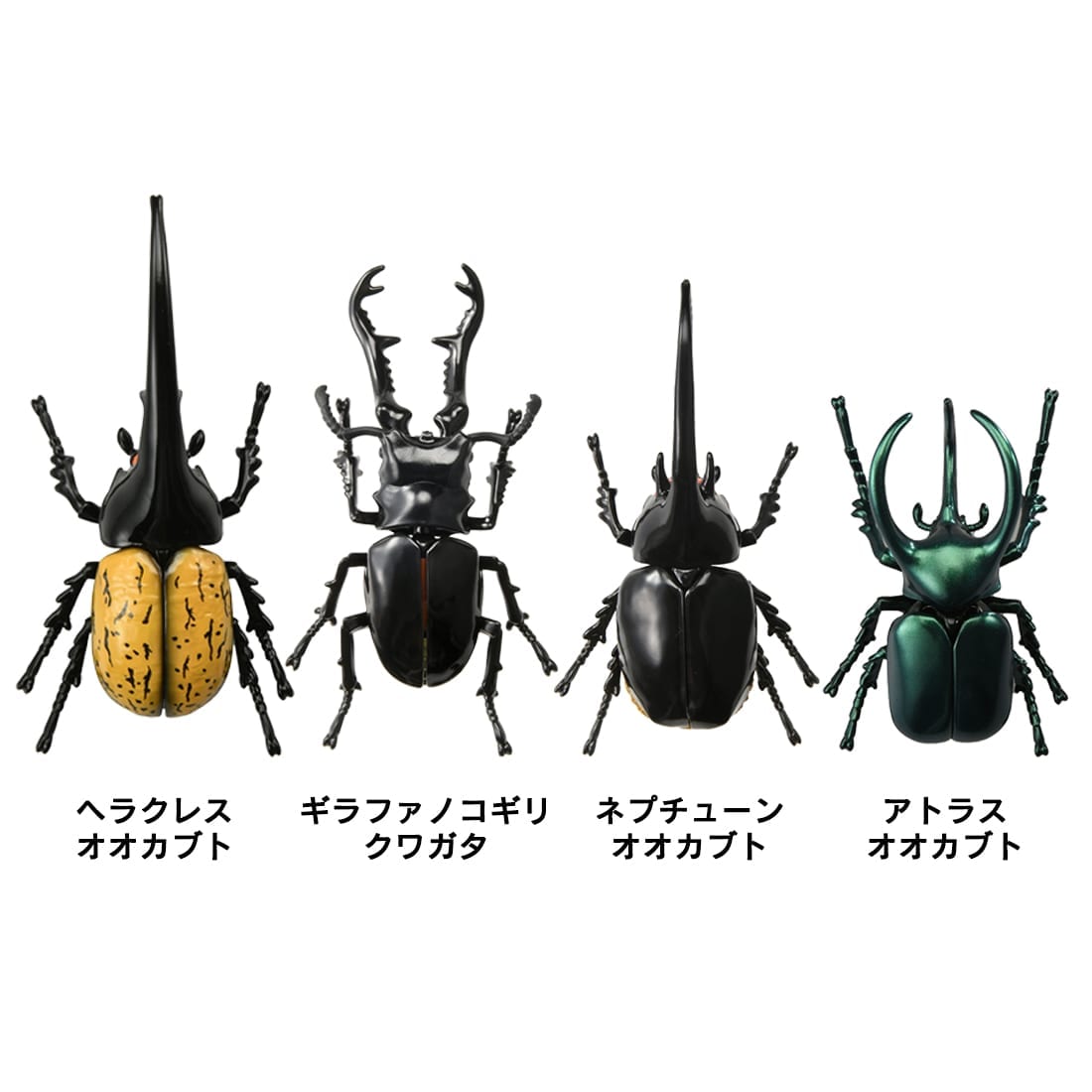
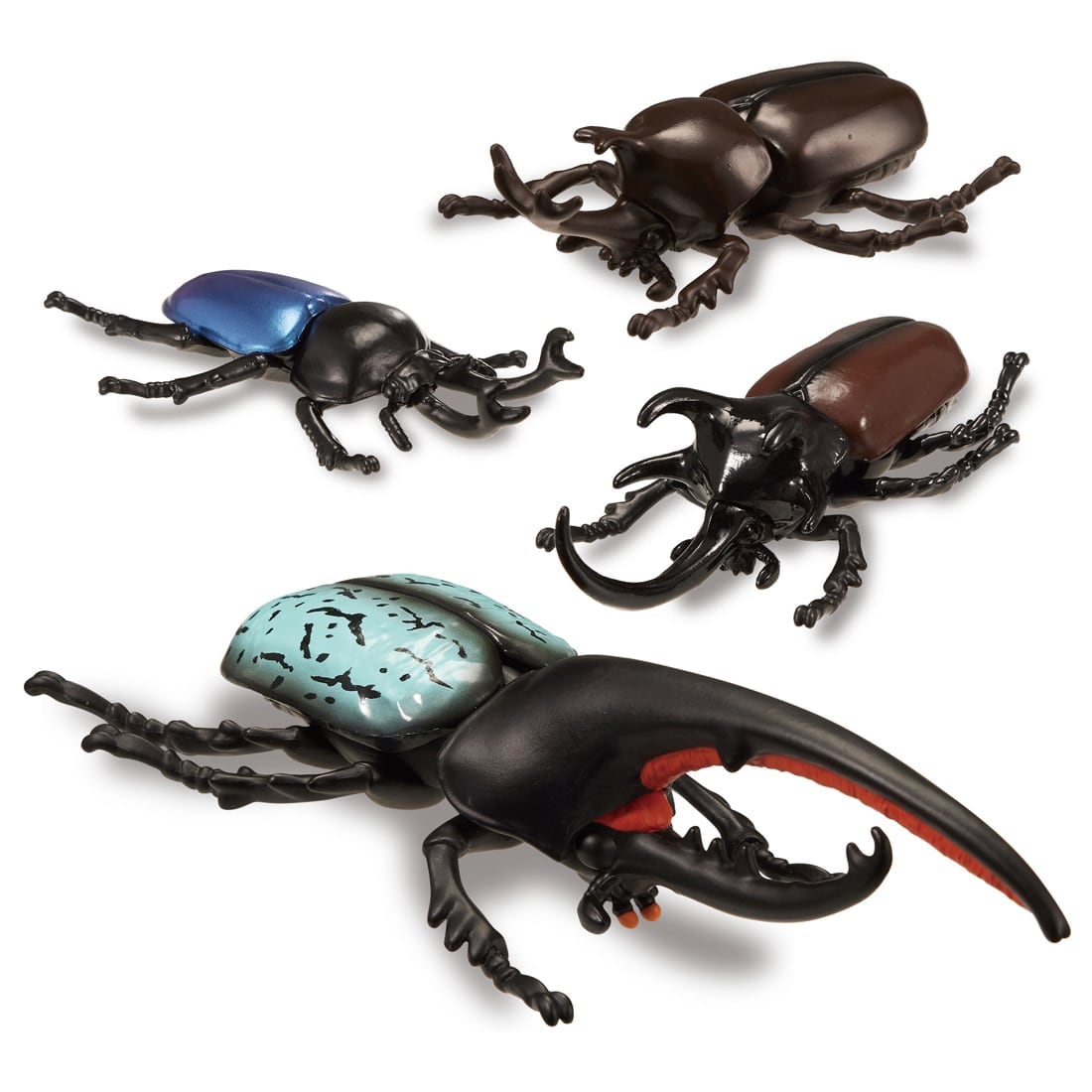
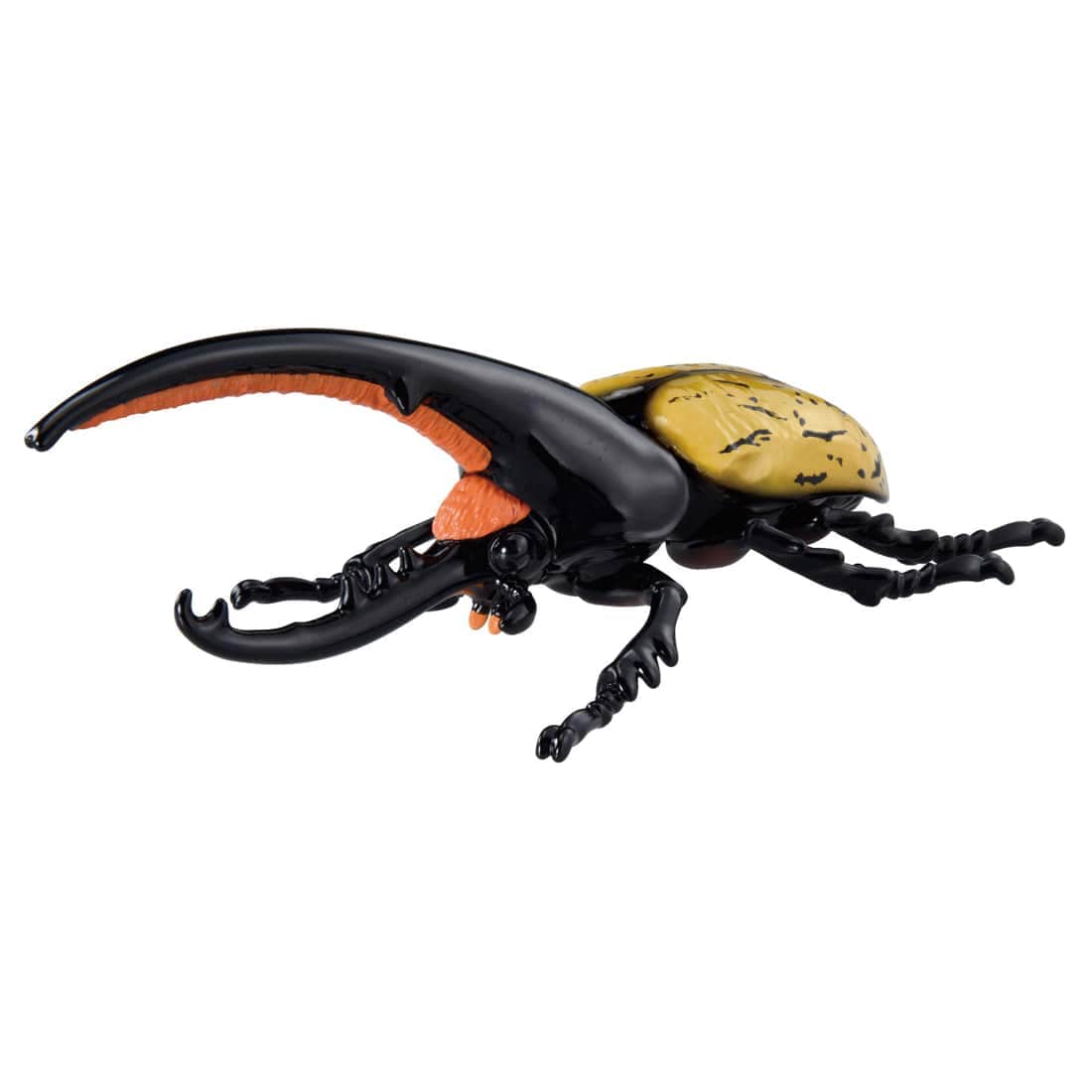
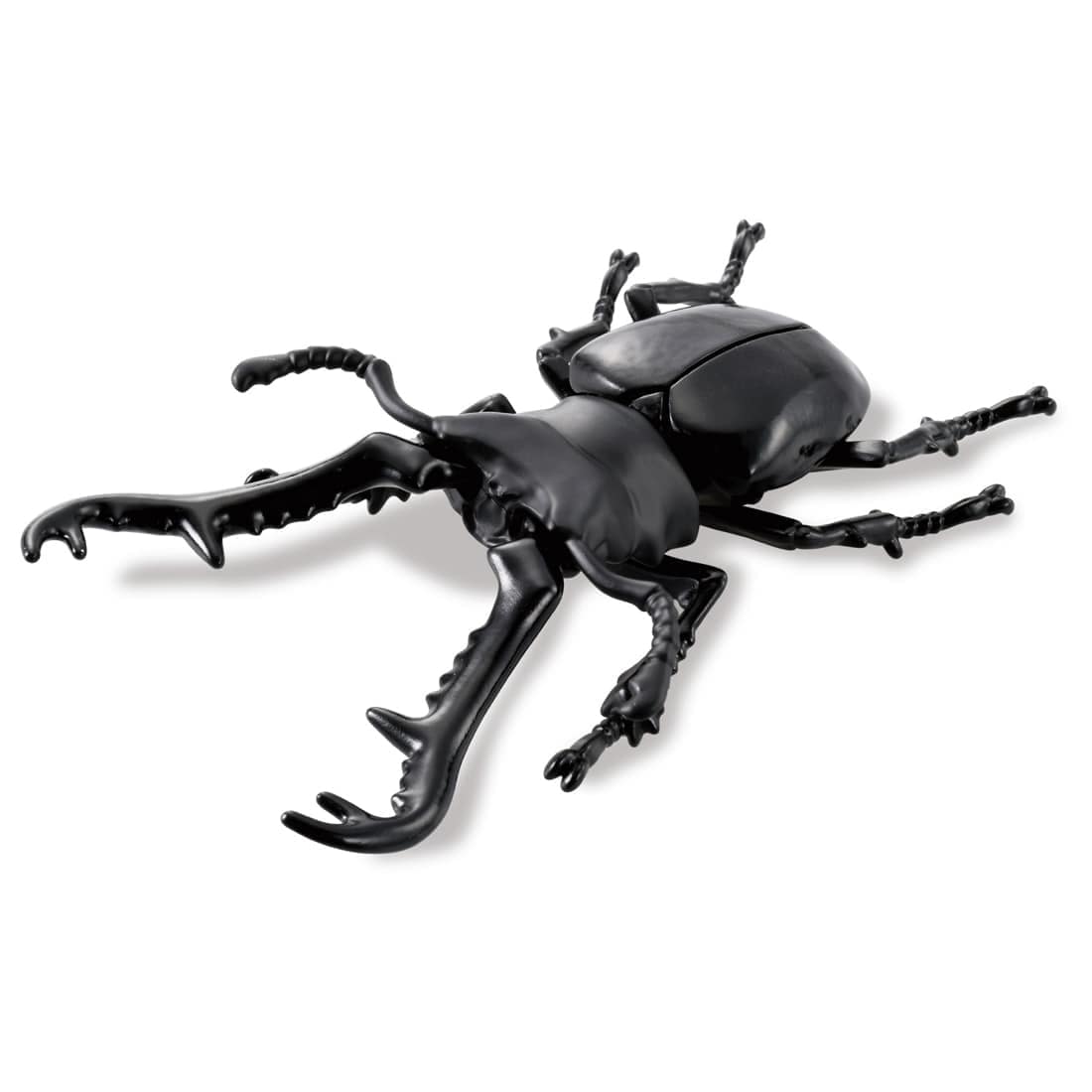
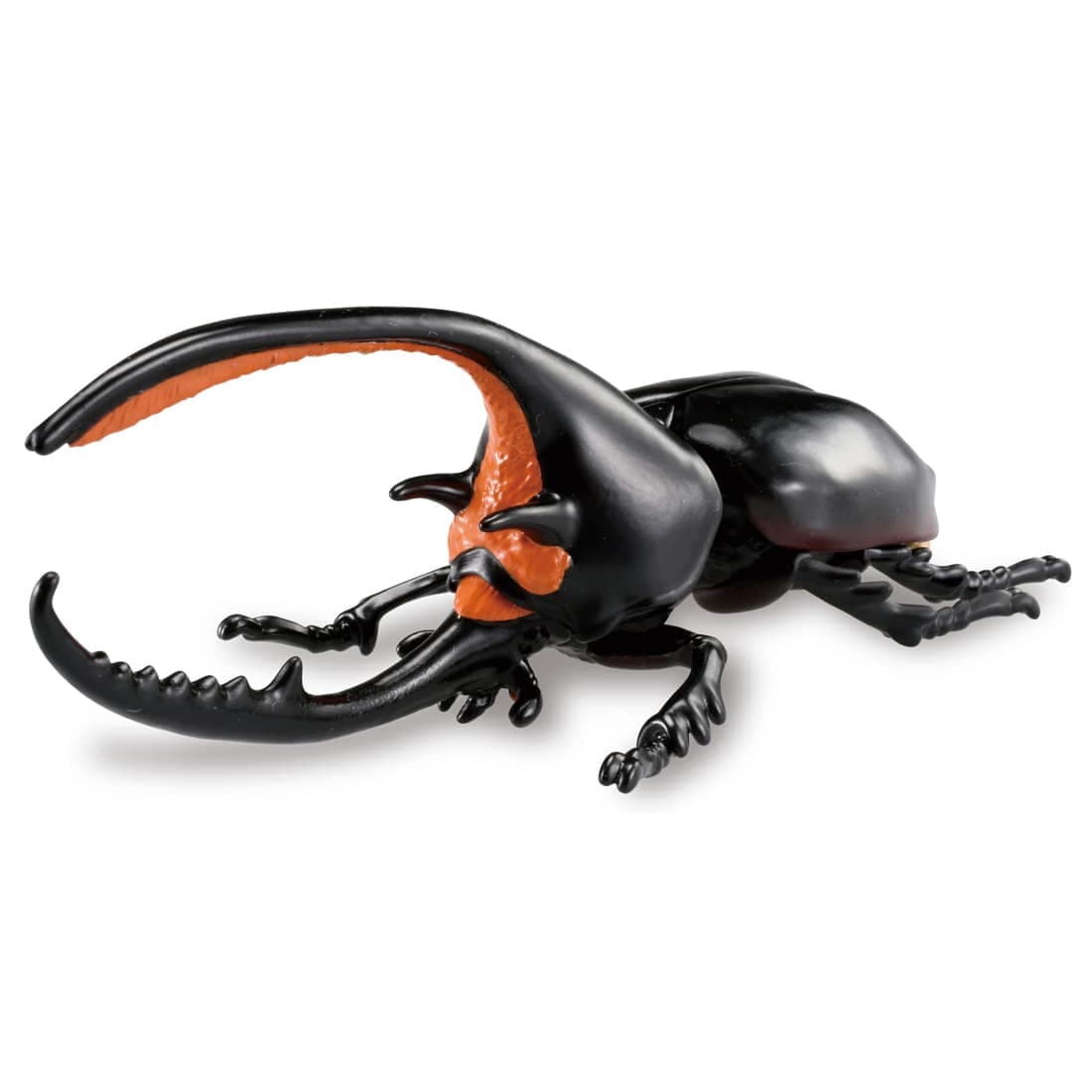
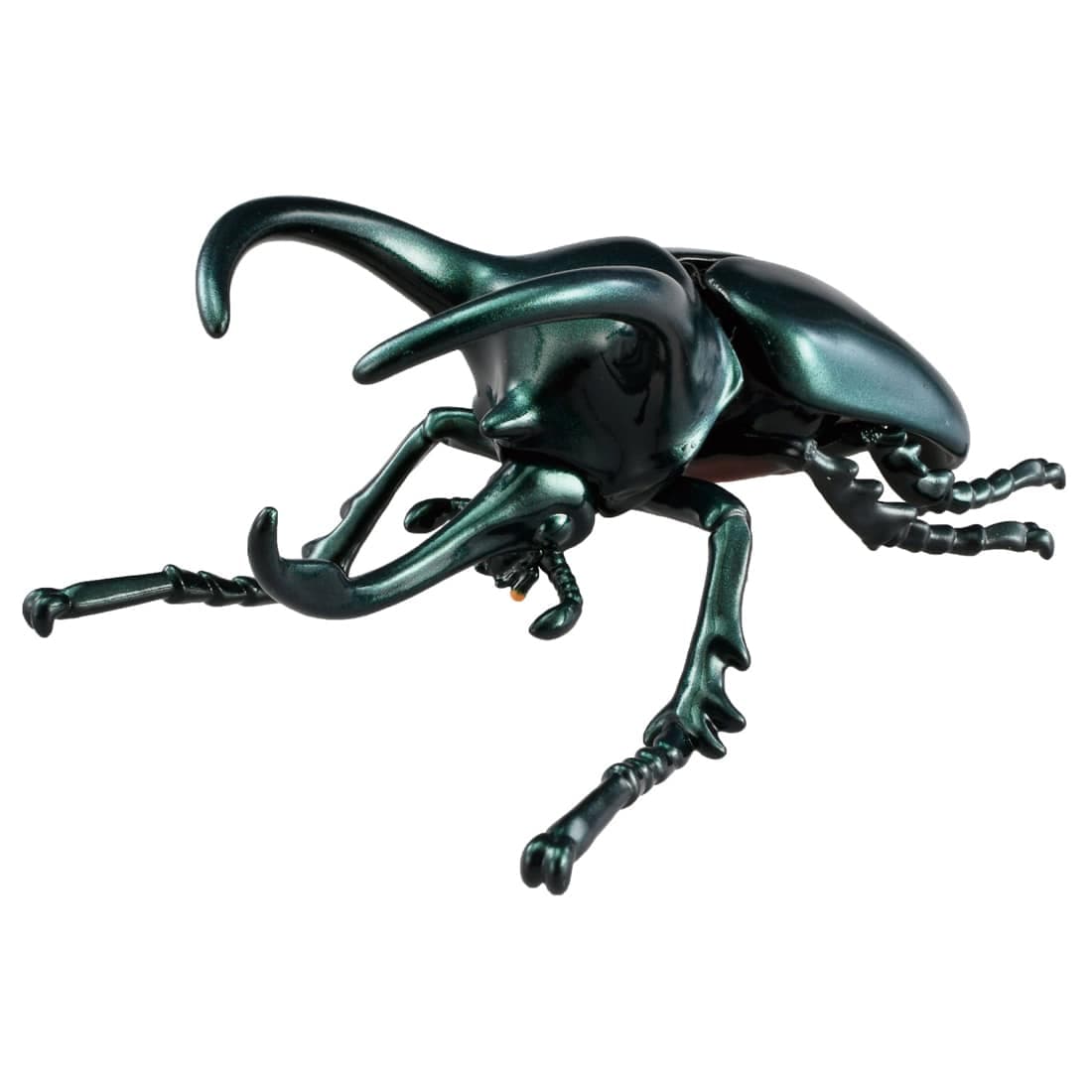
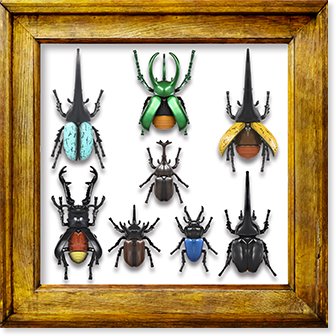
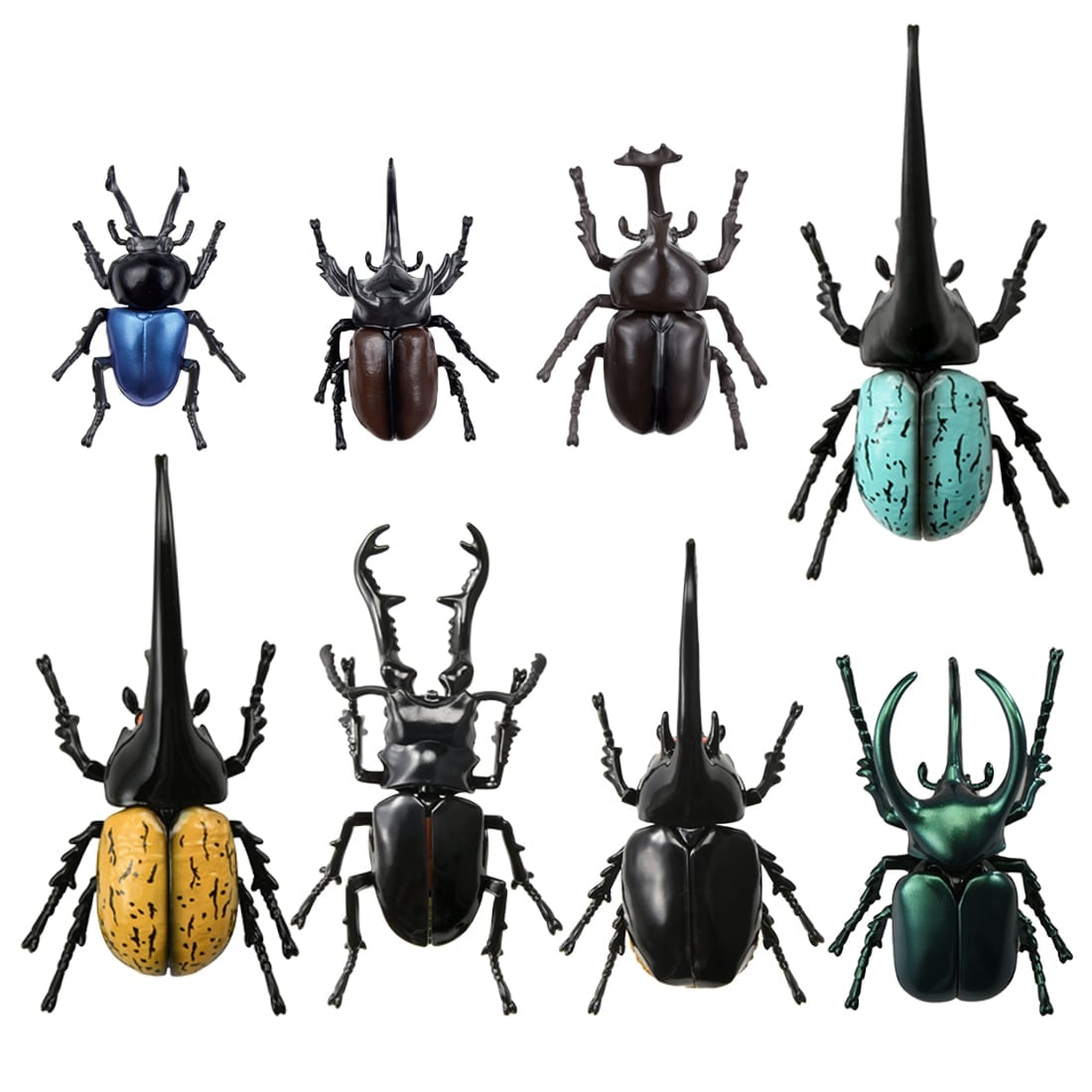
When it comes to the two stars of the insect world, of course, the rhinoceros beetle and the stag beetle.
Popular not only for keeping them but also for collecting specimens, from children to adults.
However, making specimens yourself involves washing, drying, and pricking them with needles, not knowing how to make them, and having to be careful about how they'll be stored afterward, so it seems pretty tough.
For those people, we recommend the "insect specimen (style) display" using ANIA.
Once you've prepared your favorite case, just arrange and set up your ANIA freely.
With an AL-sized ANIA, you can even strike a cool pose with your wings spread.
For insects, it's also recommended for room interior decoration or creative projects for children.
Popular not only for keeping them but also for collecting specimens, from children to adults.
However, making specimens yourself involves washing, drying, and pricking them with needles, not knowing how to make them, and having to be careful about how they'll be stored afterward, so it seems pretty tough.
For those people, we recommend the "insect specimen (style) display" using ANIA.
Once you've prepared your favorite case, just arrange and set up your ANIA freely.
With an AL-sized ANIA, you can even strike a cool pose with your wings spread.
For insects, it's also recommended for room interior decoration or creative projects for children.
ANIA Swarm Neighborhood ANIA Recreation Set
(Insect specimen style Ver.)
6,710 yen (tax included)


Stripes
Is it really true that it has amazing effects?
Is it really true that it has amazing effects?
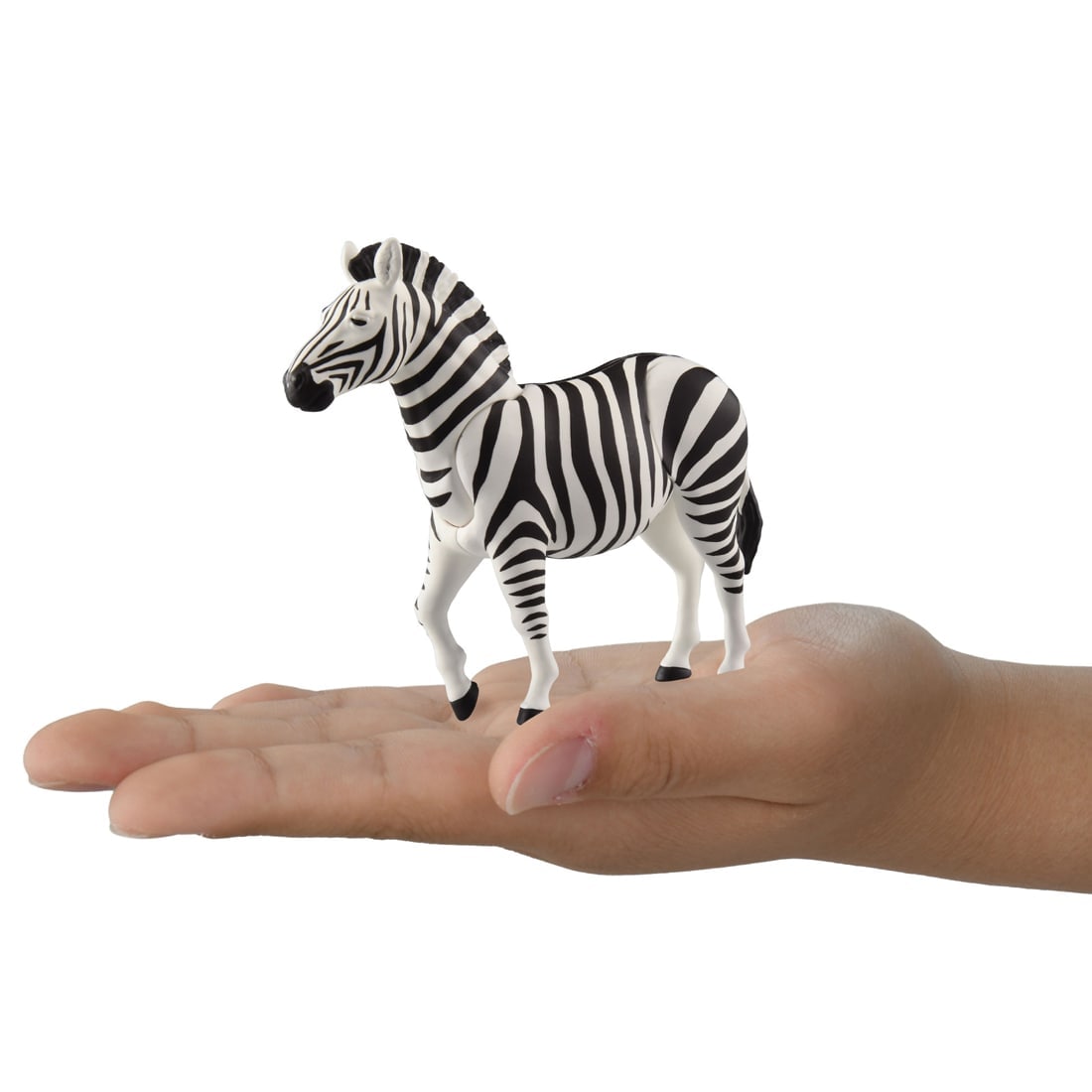
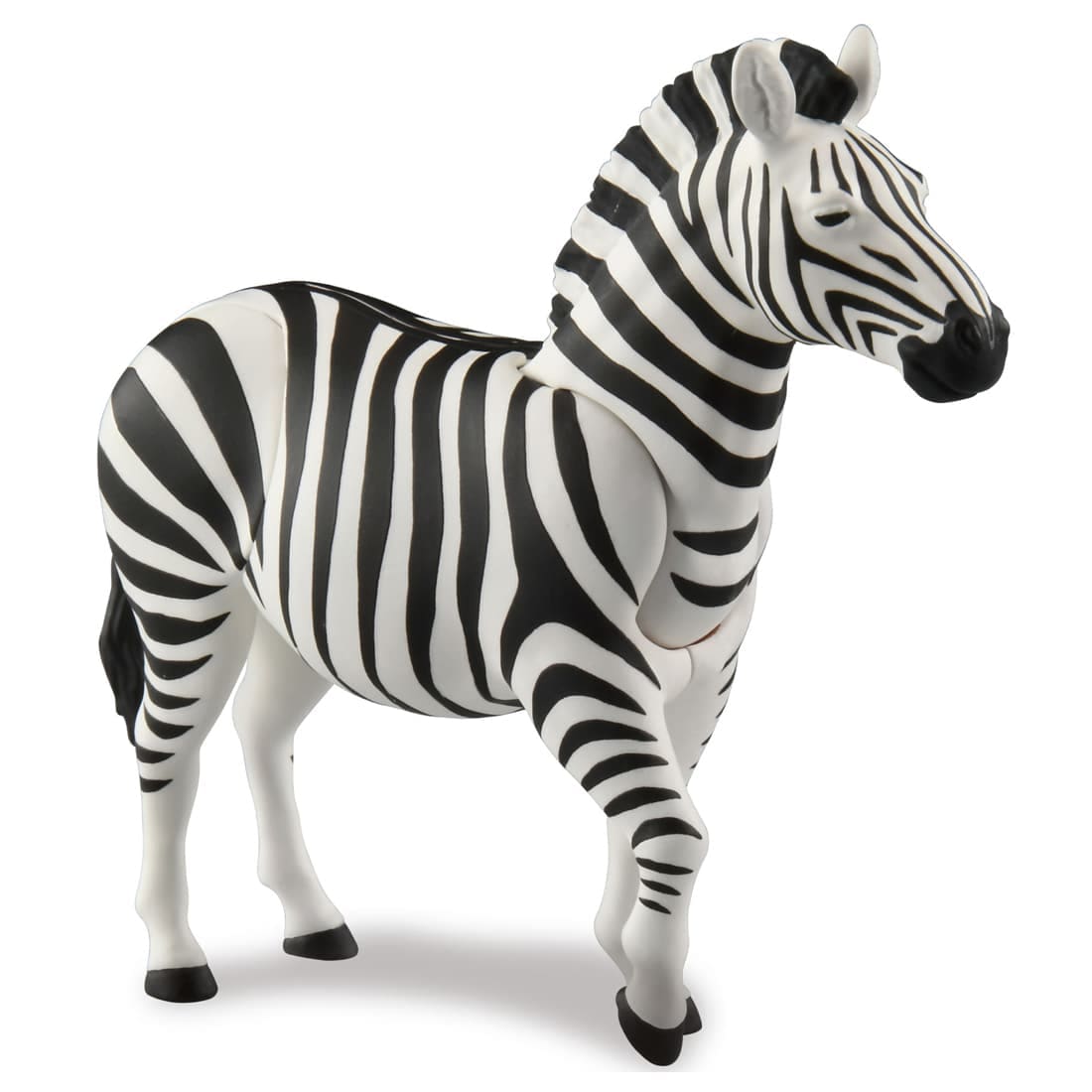
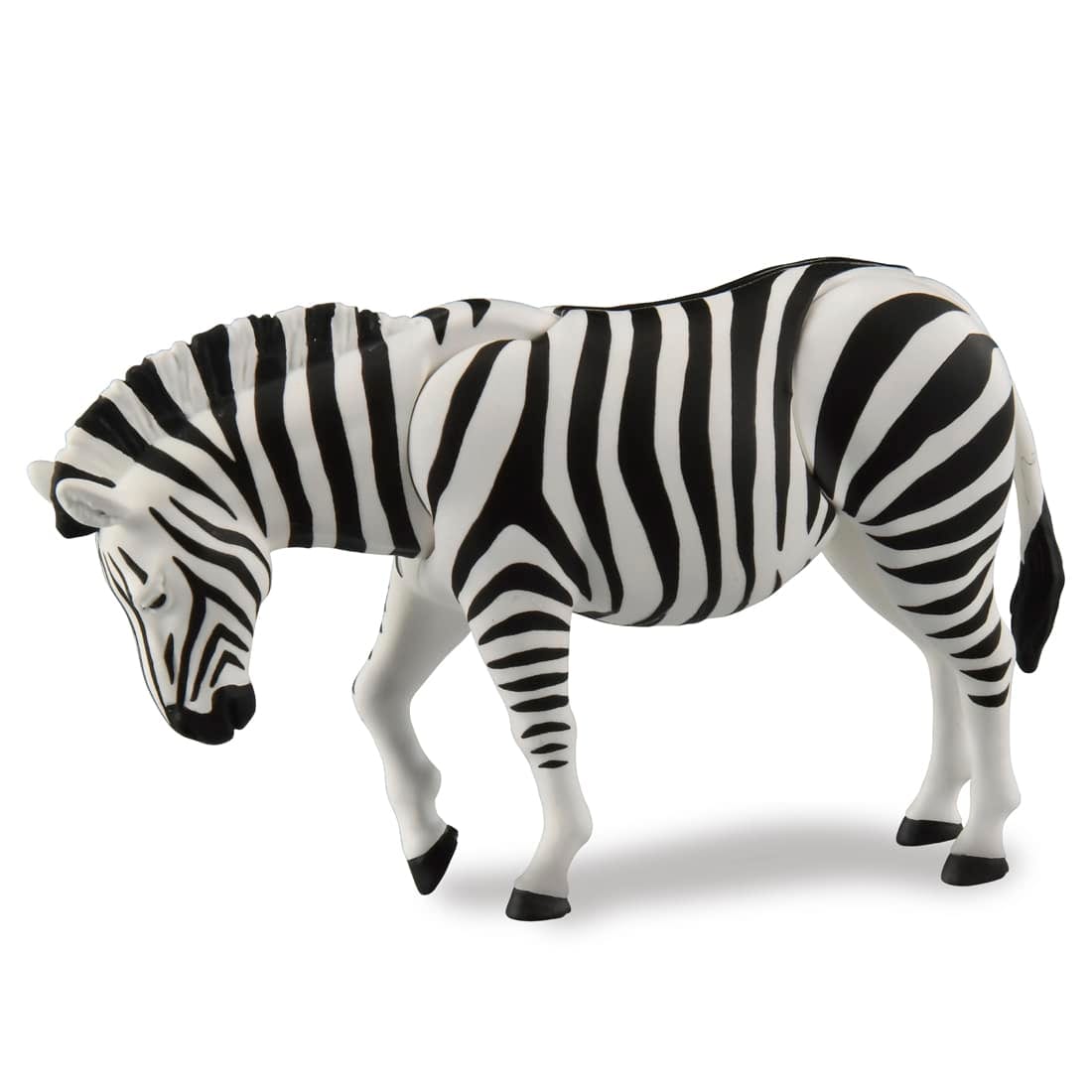
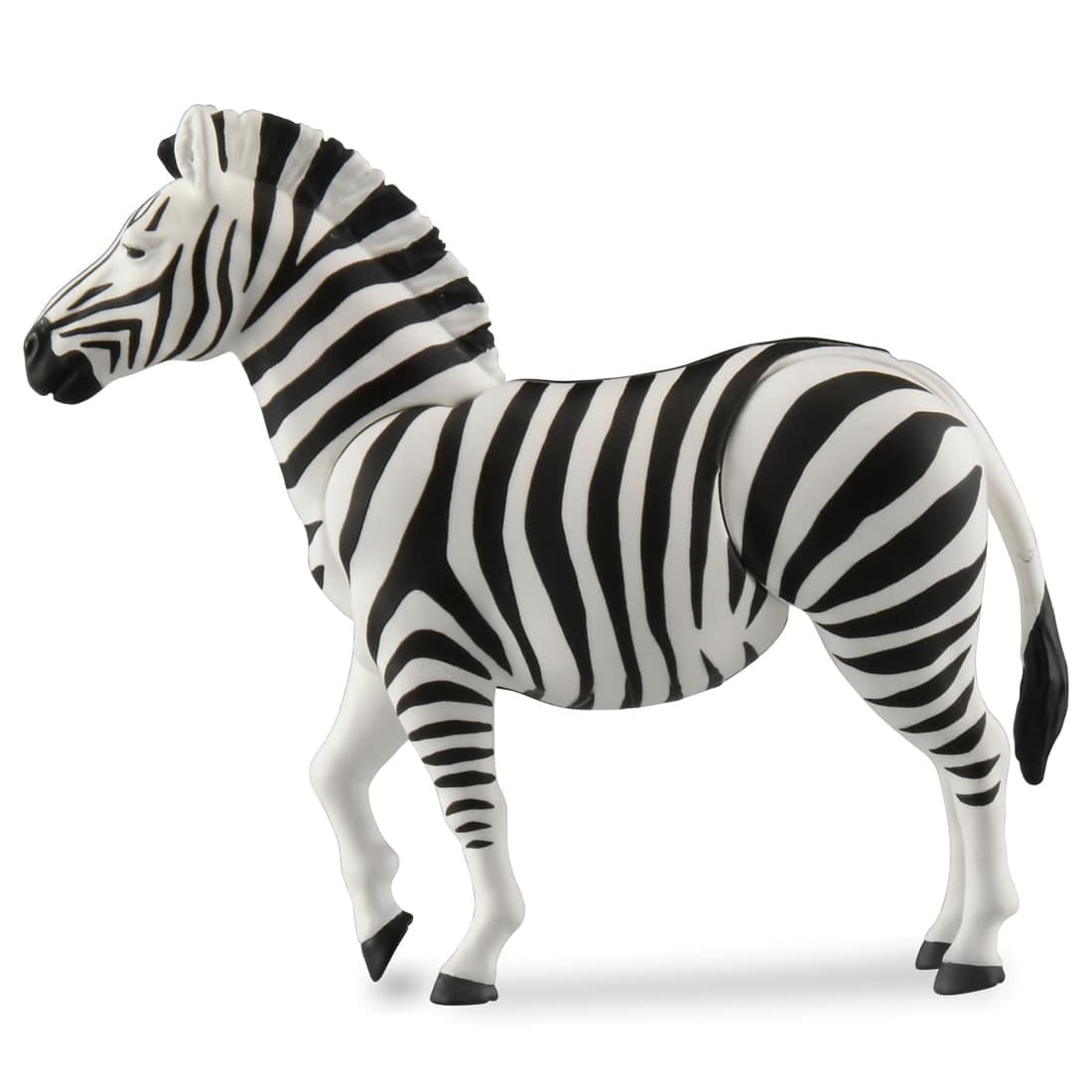
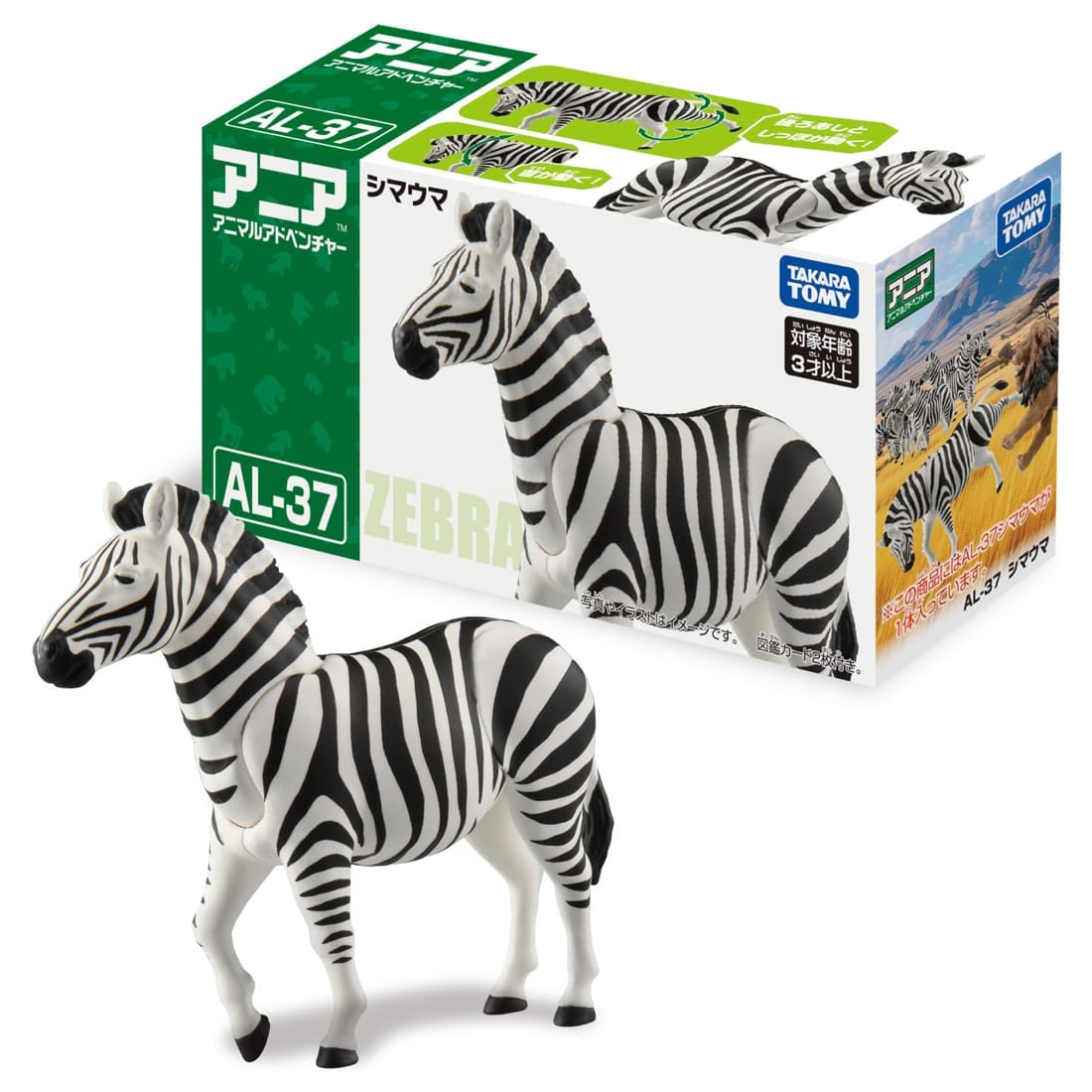
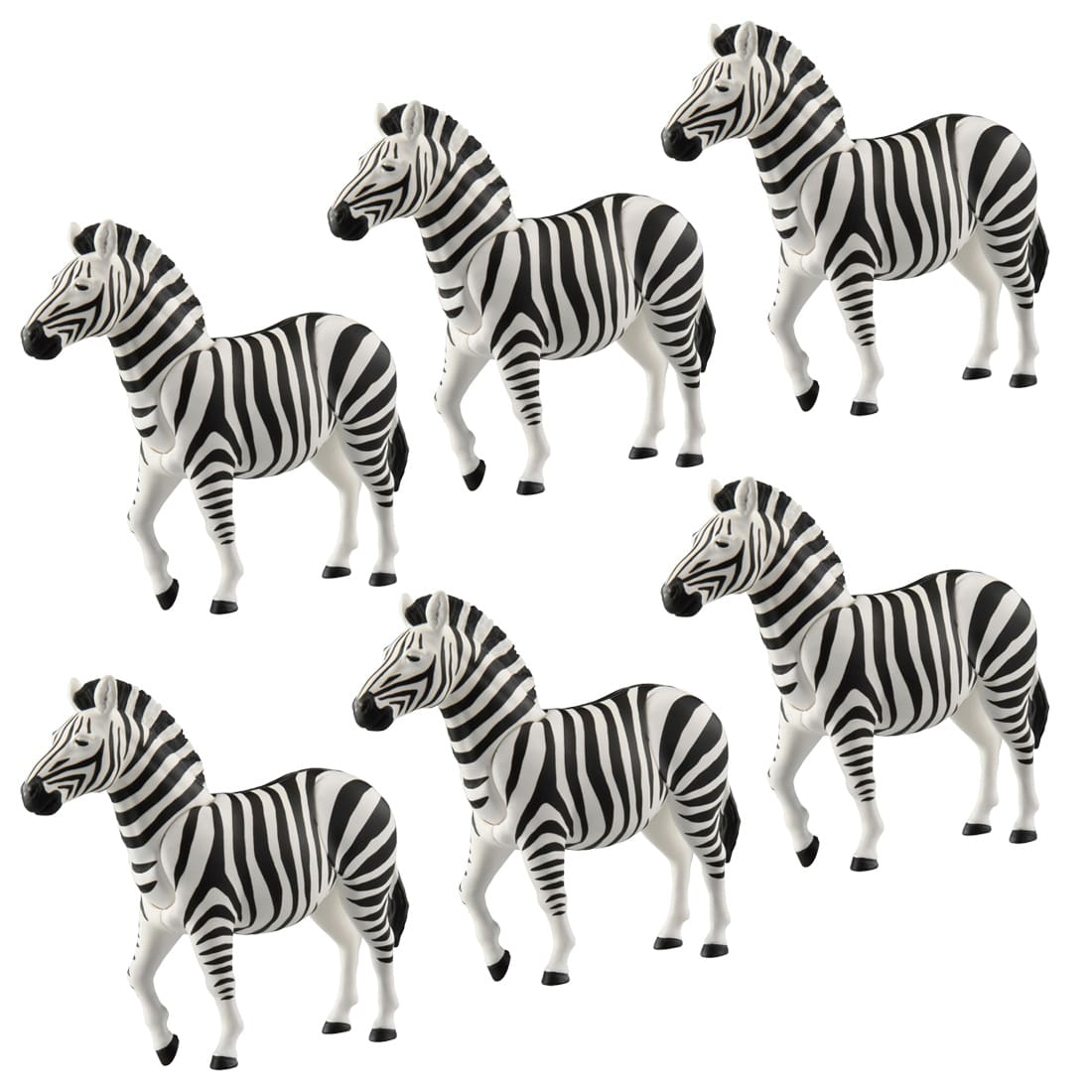
The most distinctive feature of a zebra is, of course, the striped pattern covering its entire body.
There are various theories about the effect of these stripes, but they are all rather bizarre.
This time, I'll introduce some of them.
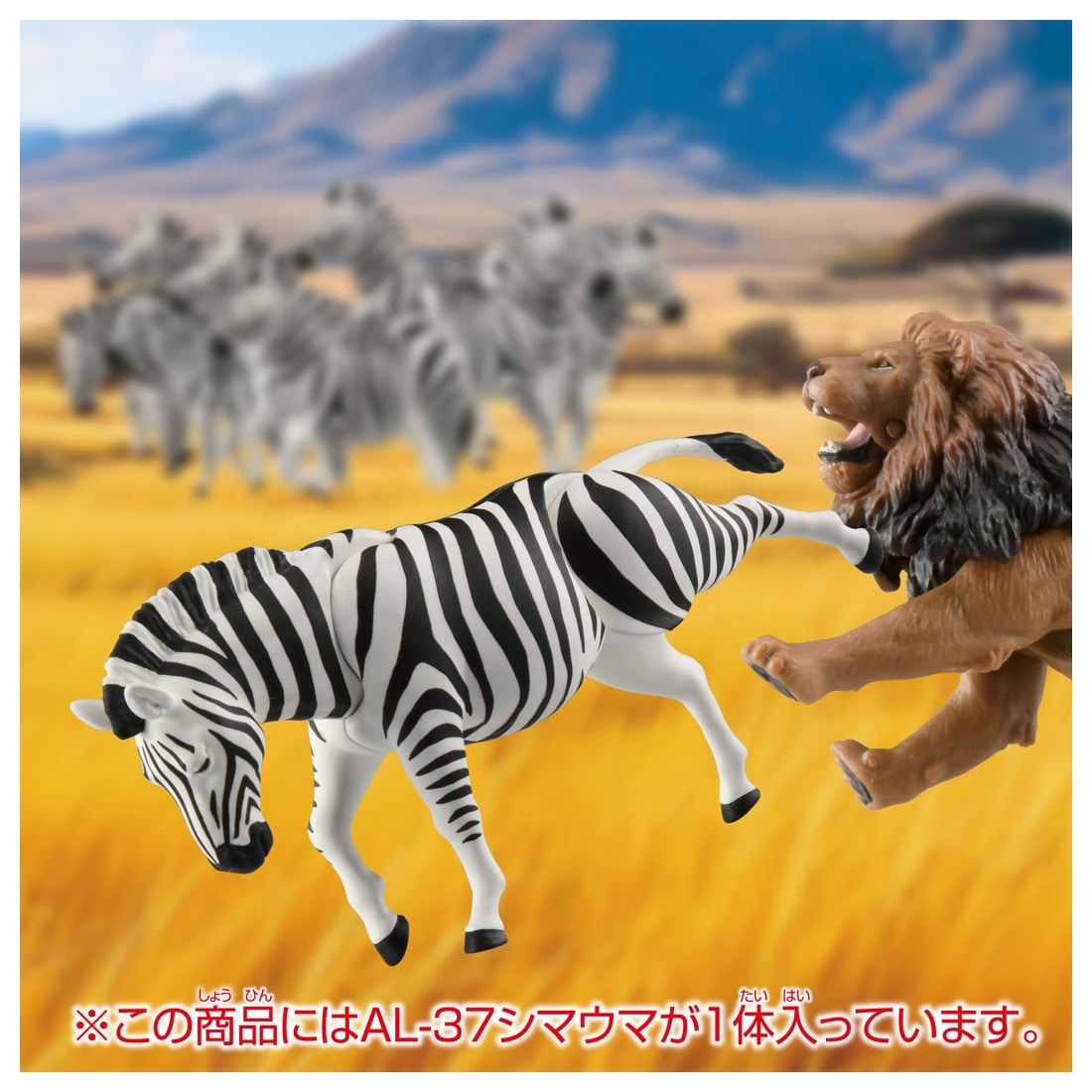
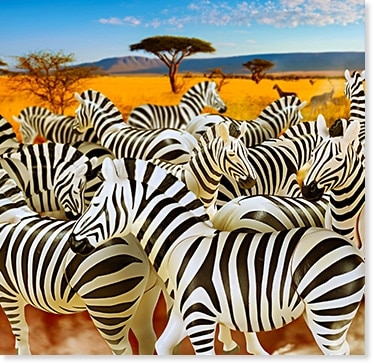
Zebras sometimes live in herds of several dozen individuals. When many stripes gather together, it has the effect of making the eyes of predators such as lions dazzle and lose sight of their prey.
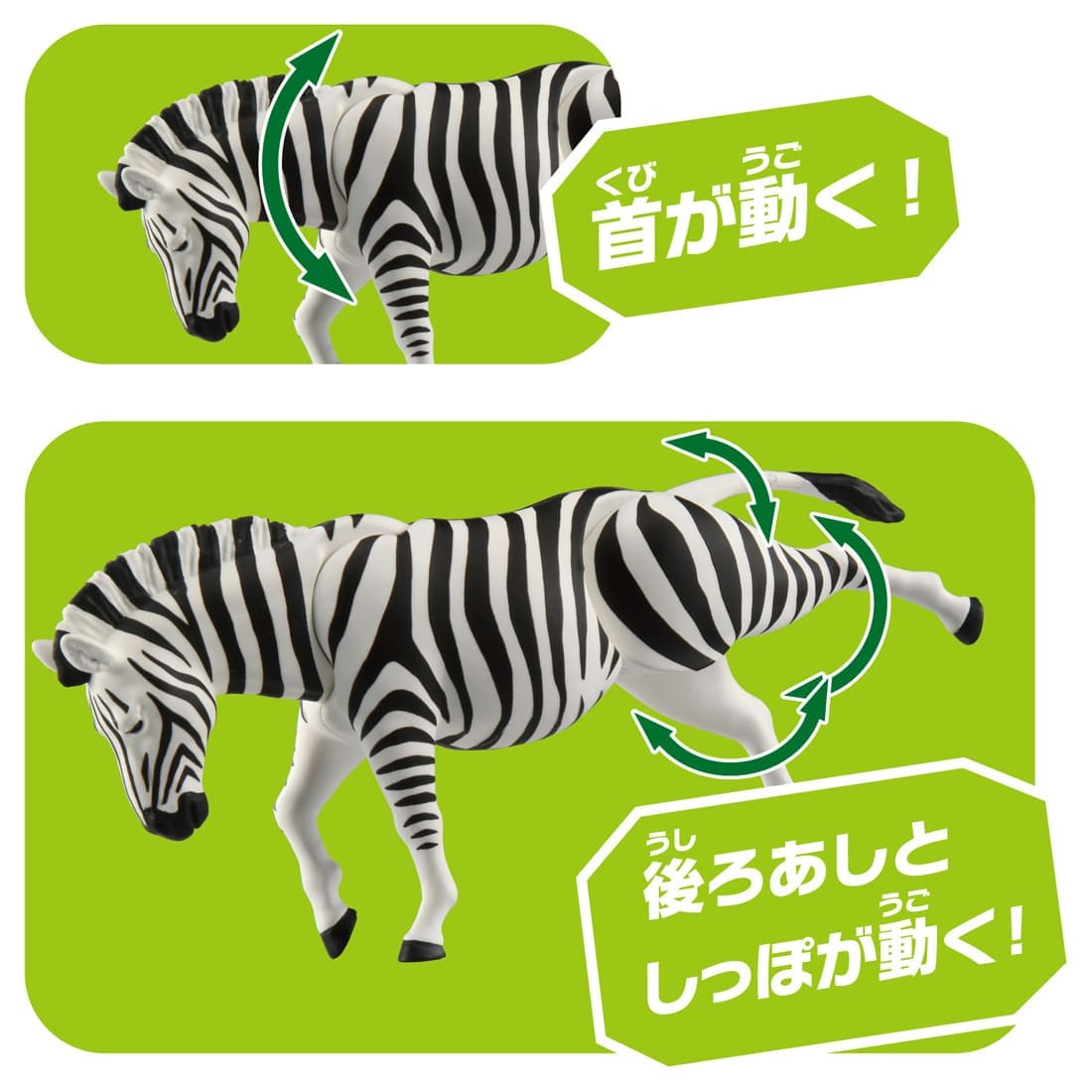
This is your chance to unleash a back kick powerful enough to take down a lion in one hit if it connects.
Although their striped patterns may look similar, the markings (especially on their hindquarters) actually differ quite a bit from group to group. This is an important ability for group living, allowing them to follow their companions without mistaking them for each other.
The difference in light reflectivity between white and black causes light waves to scatter, making it difficult for insects such as flies to identify them and thus repelling them.
Furthermore, the airflow created by the temperature difference resulting from the difference in light absorption rates even has a cooling effect on the body.
There are various theories about the effect of these stripes, but they are all rather bizarre.
This time, I'll introduce some of them.
Theory 1: The deception theory
Zebras sometimes live in herds of several dozen individuals. When many stripes gather together, it has the effect of making the eyes of predators such as lions dazzle and lose sight of their prey.
This is your chance to unleash a back kick powerful enough to take down a lion in one hit if it connects.
Theory 2: The Uniform Theory
Although their striped patterns may look similar, the markings (especially on their hindquarters) actually differ quite a bit from group to group. This is an important ability for group living, allowing them to follow their companions without mistaking them for each other.
Theory #3: Insect repellent theory
The difference in light reflectivity between white and black causes light waves to scatter, making it difficult for insects such as flies to identify them and thus repelling them.
Furthermore, the airflow created by the temperature difference resulting from the difference in light absorption rates even has a cooling effect on the body.
It's up to you which theory you believe.


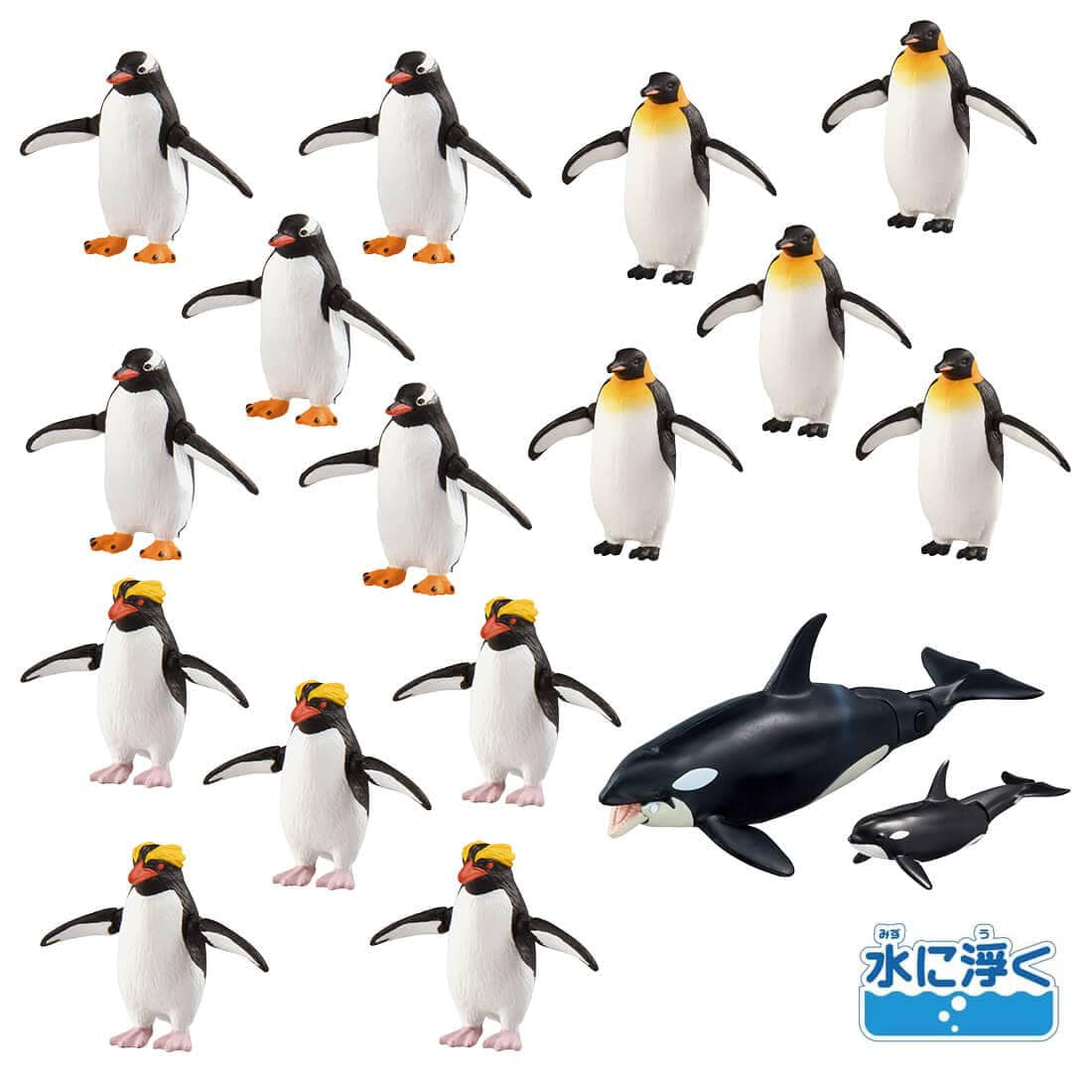
The world of penguins
Is it true that it's surprisingly harsh?
Is it true that it's surprisingly harsh?
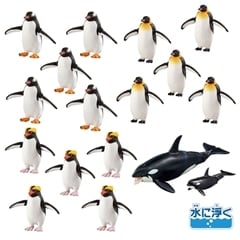
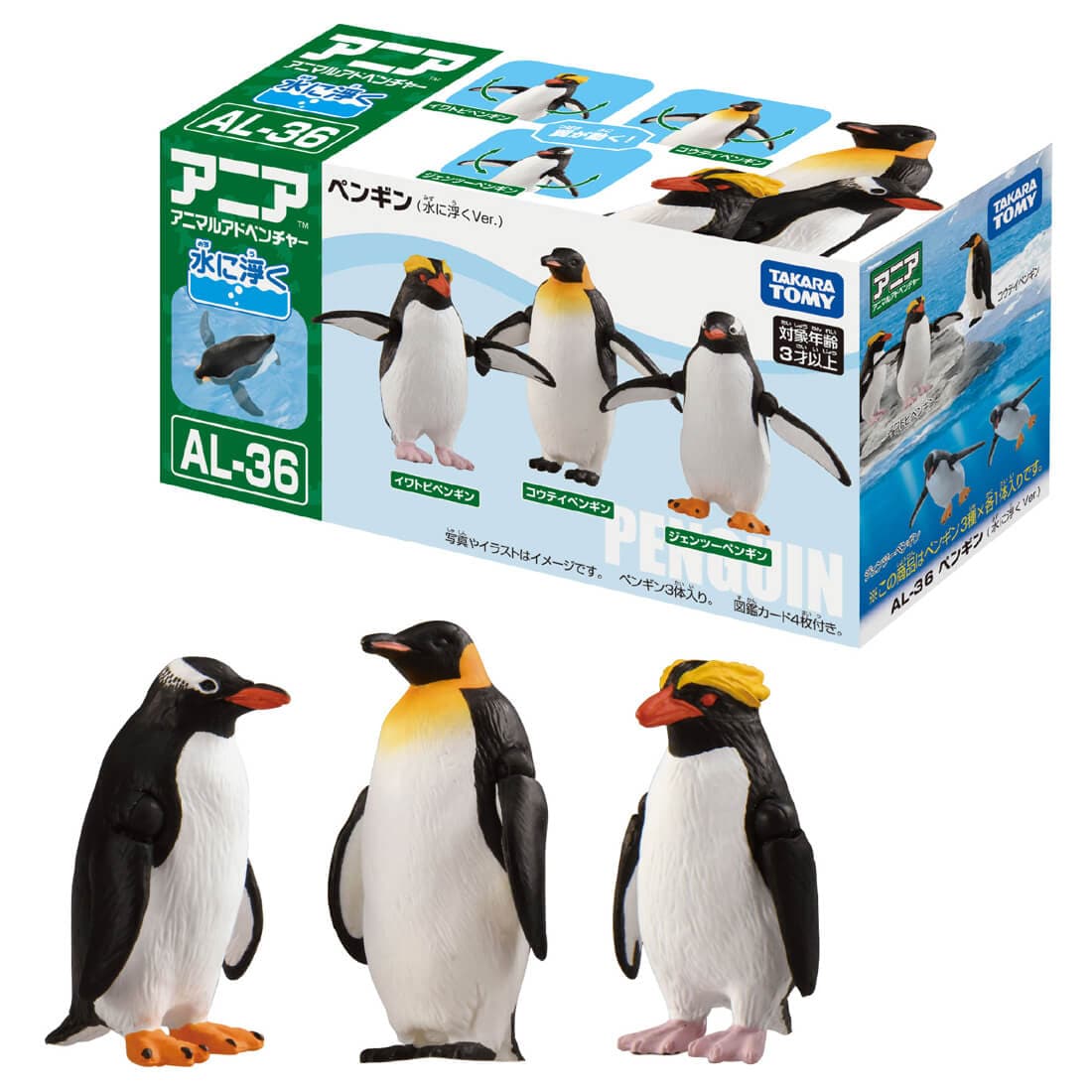
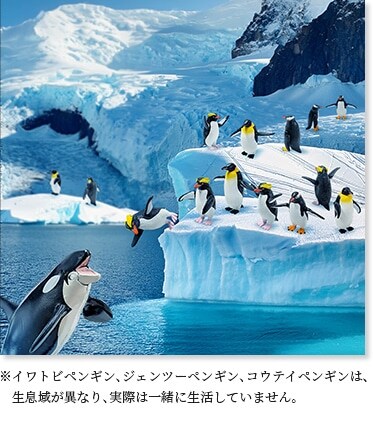
They live together in groups, and when it's time to hunt, they go out to sea in a tottering procession.
I think the image that many people have of penguins is a heartwarming sight like this.
However, contrary to this friendly image, the relationships between penguins are actually surprisingly harsh.
Many penguins live in places with poor footing, such as on ice or rocky areas.
Therefore, to enter the ocean, you have to jump from a place where you cannot see what is underwater, such as a cliff.
Even though penguins are fast in the water, they are no match for enemies lying in wait for them.
The penguin at the front wants to jump in at his own pace, but he is pushed into the sea by the penguins coming up behind him one after another.
If there is an enemy in the water, swim as fast as you can and jump like a rocket onto land to escape back.
In most cases, they may not be pushing intentionally, but this can actually be seen in captivity in zoos and other places.
I think the image that many people have of penguins is a heartwarming sight like this.
However, contrary to this friendly image, the relationships between penguins are actually surprisingly harsh.
Many penguins live in places with poor footing, such as on ice or rocky areas.
Therefore, to enter the ocean, you have to jump from a place where you cannot see what is underwater, such as a cliff.
Even though penguins are fast in the water, they are no match for enemies lying in wait for them.
The penguin at the front wants to jump in at his own pace, but he is pushed into the sea by the penguins coming up behind him one after another.
If there is an enemy in the water, swim as fast as you can and jump like a rocket onto land to escape back.
In most cases, they may not be pushing intentionally, but this can actually be seen in captivity in zoos and other places.


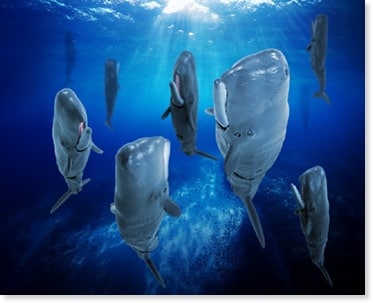
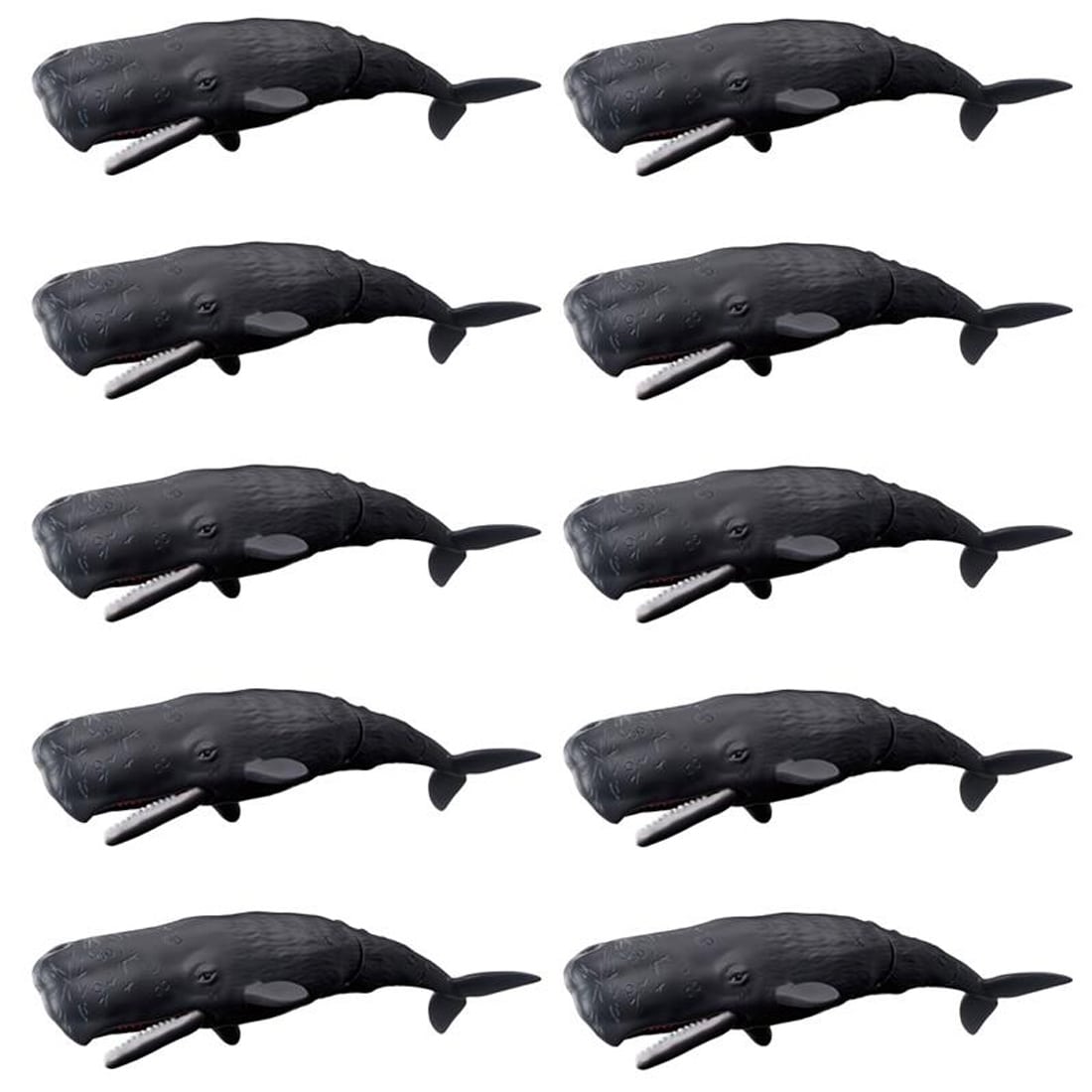
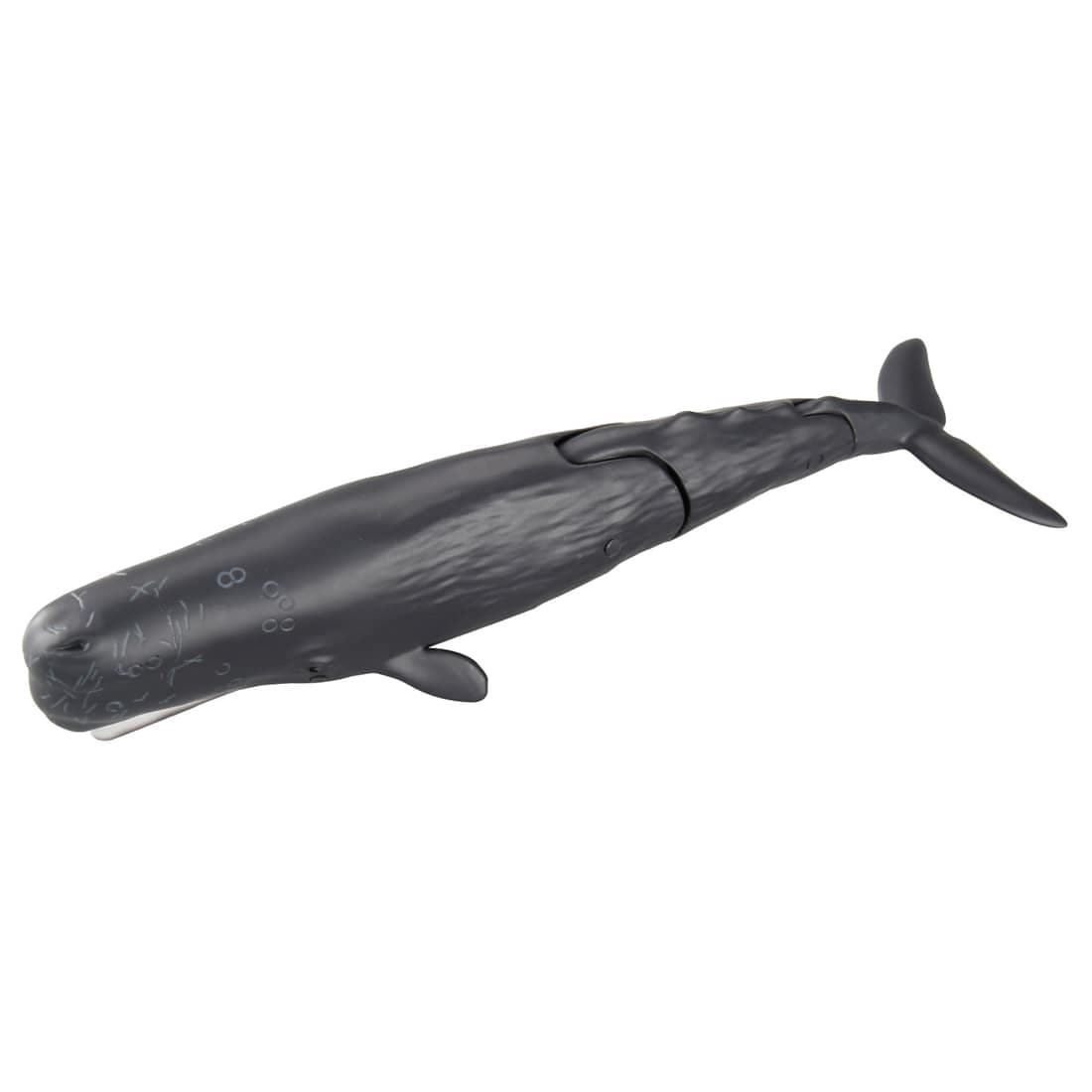
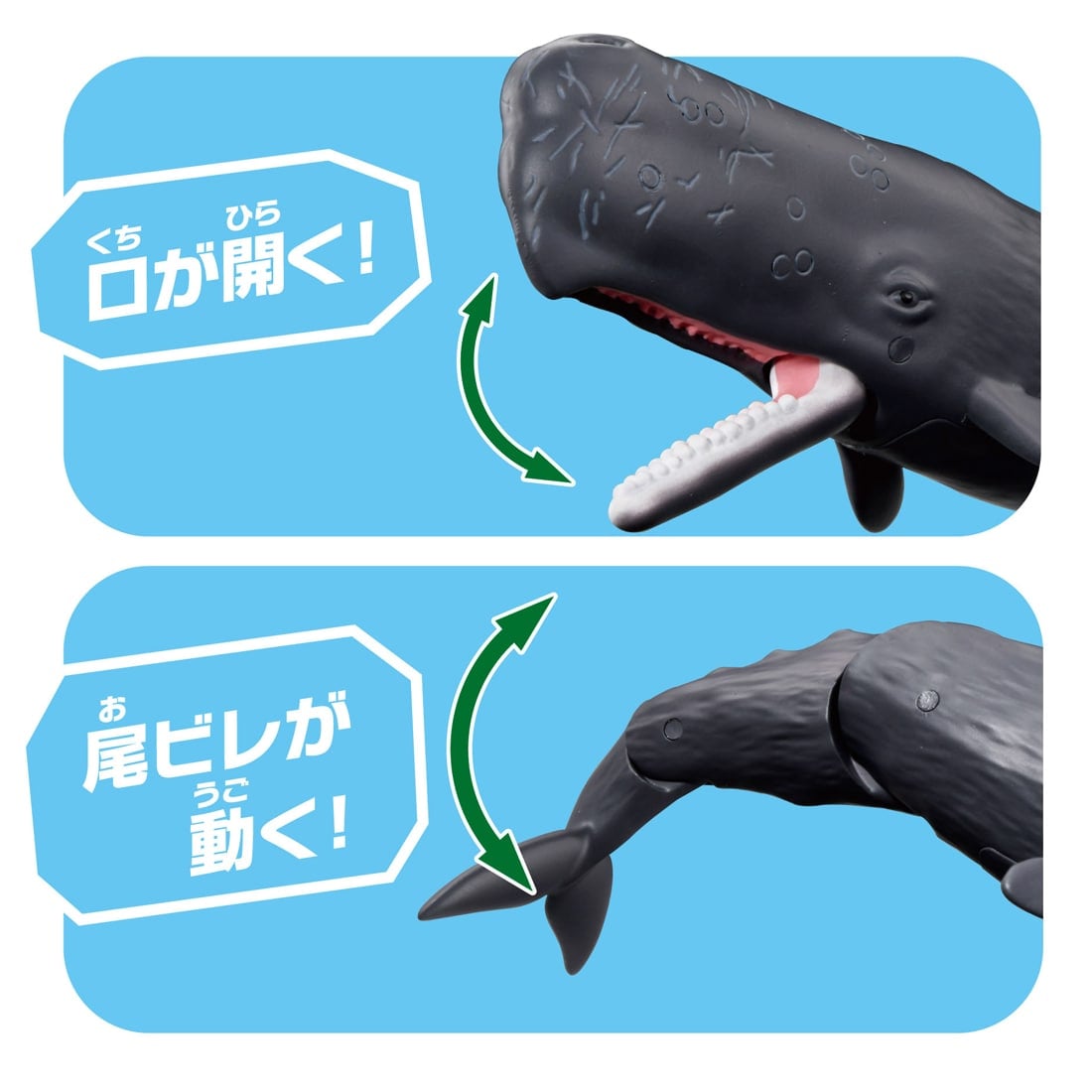
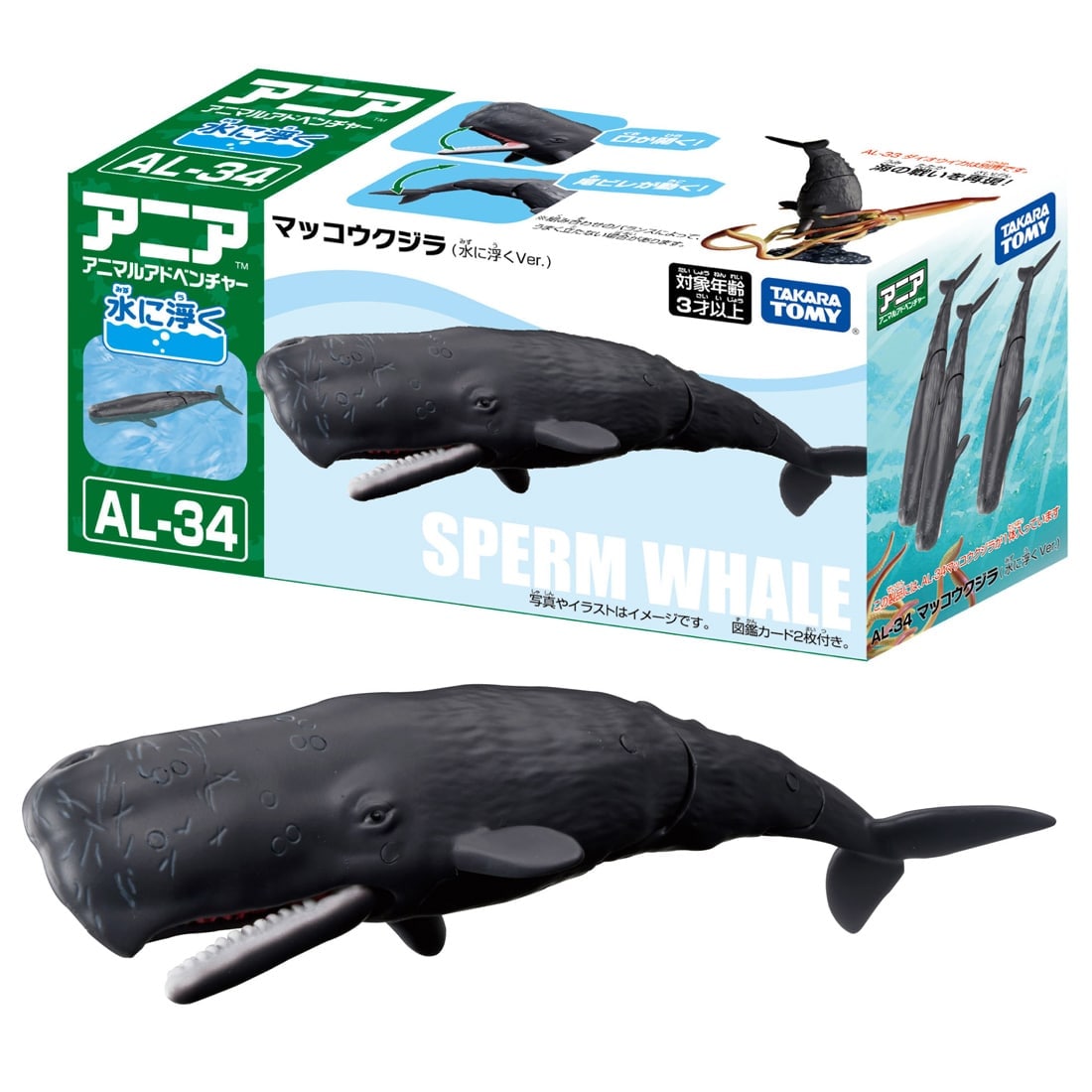
Sperm whales sleep upright
There are many mysteries surrounding the creatures that live in the ocean.
Unlike on land, continuous observation is difficult in the ocean, and much remains unknown about lifespans and social structures.
Even sperm whales, the largest mammals on Earth, have a wide migration range from high latitudes to the equator and have the amazing ability to dive to depths of 3,000 meters despite being lung-breathing creatures, so opportunities to see them alive are limited.
Sperm whales are shrouded in mystery, but did you know that a unique sleeping position was discovered in recent years?
Sperm whales do not have any adult males, and live in families of around 10 whales, mainly consisting of females.
The group was spotted sleeping in an "upright position" near the surface of the water.
Whales sleep in a type of "hemispheric sleep" in which half of the brain is rested at a time, so they never sleep completely like humans do, but they do spend about one to two hours a day in this position.
Unlike on land, continuous observation is difficult in the ocean, and much remains unknown about lifespans and social structures.
Even sperm whales, the largest mammals on Earth, have a wide migration range from high latitudes to the equator and have the amazing ability to dive to depths of 3,000 meters despite being lung-breathing creatures, so opportunities to see them alive are limited.
Sperm whales are shrouded in mystery, but did you know that a unique sleeping position was discovered in recent years?
Sperm whales do not have any adult males, and live in families of around 10 whales, mainly consisting of females.
The group was spotted sleeping in an "upright position" near the surface of the water.
Whales sleep in a type of "hemispheric sleep" in which half of the brain is rested at a time, so they never sleep completely like humans do, but they do spend about one to two hours a day in this position.